
FINALLY! A Sustainable New Year Reset: How to Lose Fat Without Dieting (Downtown Toronto Guide)
By Dietisha, Dietitian in Toronto Downtown
The start of a new year always brings the same question:
“What diet should I follow?”
But after years of working as a dietitian, I can confidently say this:
the problem isn’t that you haven’t found the right diet — it’s that dieting was never the solution.
If you’re looking for a reset this New Year that actually lasts, this article will walk you through a science-based, sustainable framework for fat loss — without extremes, starvation, or burnout.
Real Change Starts in the Mind, Not on Your Plate
Before calories, macros, or meal plans, fat loss starts with one thing: your “why.”
Most people begin with surface-level reasons:
“I want to lose weight”
“I want abs”
“I want to look better”
Those motivations are fragile. They don’t survive stress, deadlines, social events, or long workdays (especially common for professionals in Downtown Toronto). That’s because real, sustainable weight loss doesn’t begin with a meal plan.
It begins with understanding why you want to change.
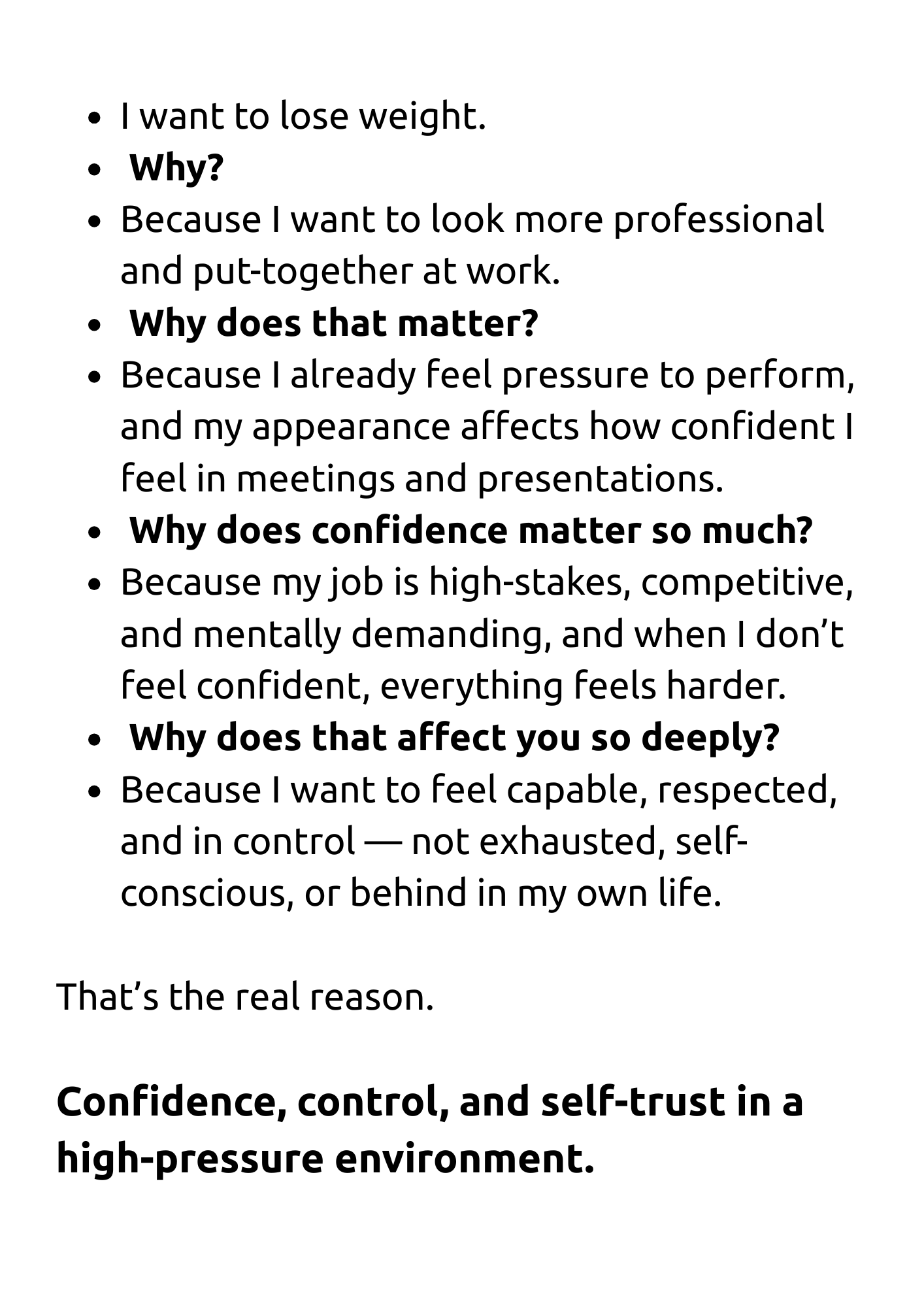
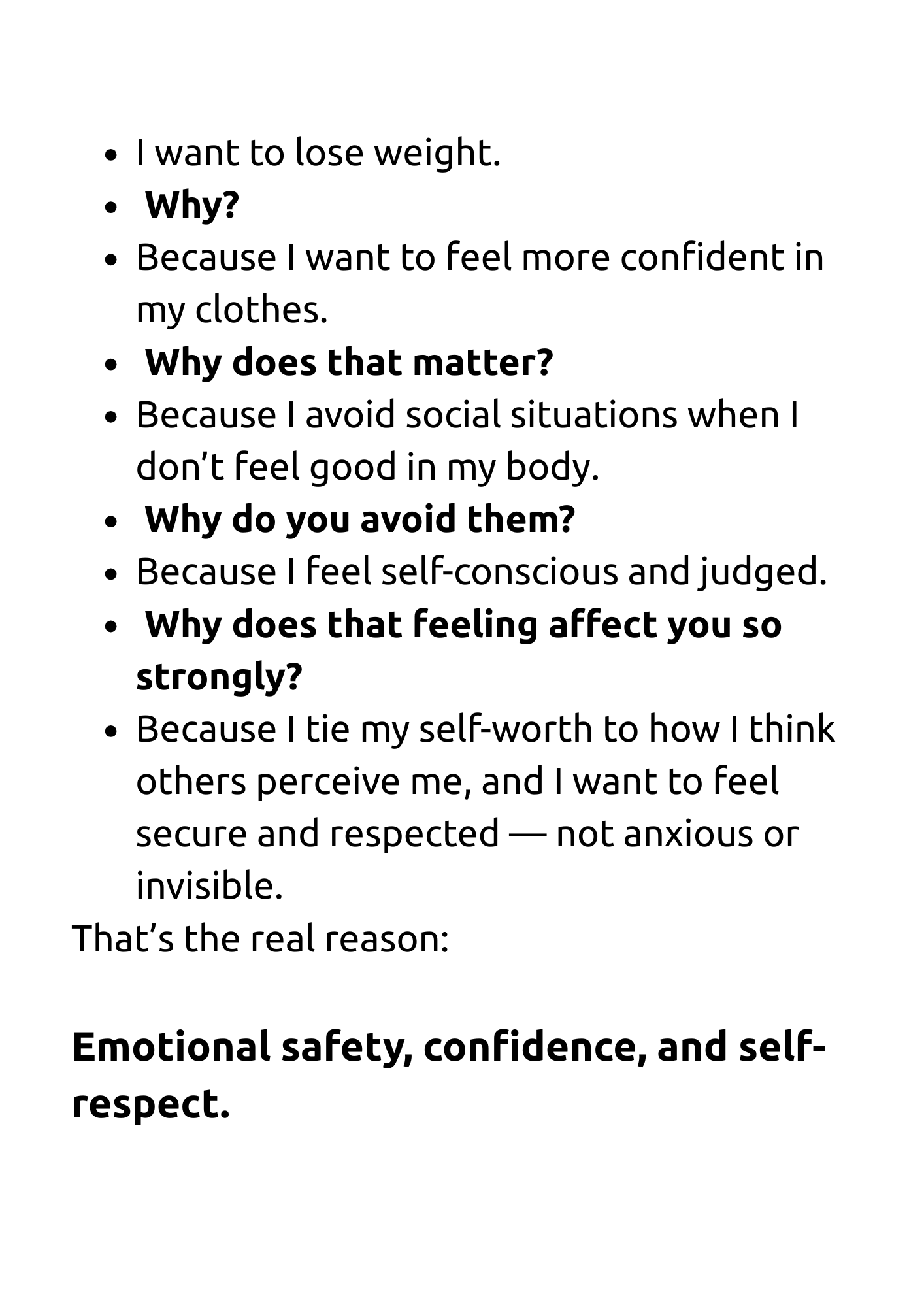
The 5 Whys Rule: A Tool That Changes Everything
One of the most effective tools I use in my practice is the Whys Rule. It’s simple — but powerful.
You ask yourself “why?” 4 times, going deeper each time, until you uncover the real motivation driving your desire to lose weight. Here some common example I see with clients working in Downtown Toronto roles:
Sustainable change happens when your motivation becomes personal and emotional, not cosmetic. When your “why” is clear, decisions around food stop feeling forced — they become automatic.
This mental shift is the foundation of long-term success.
Stop Starving to Lose Fat
One of the most damaging nutrition myths is that fat loss requires hunger.
Extreme calorie restriction:
Increases muscle loss
Slows metabolism
Raises the risk of rebound weight gain
The goal isn’t just to lose weight — it’s to lose fat while preserving lean muscle, which protects your metabolism and long-term health.
A moderate, sustainable calorie deficit (about 500 calories per day from food) consistently outperforms aggressive dieting — especially for professionals who need energy, focus, and performance.
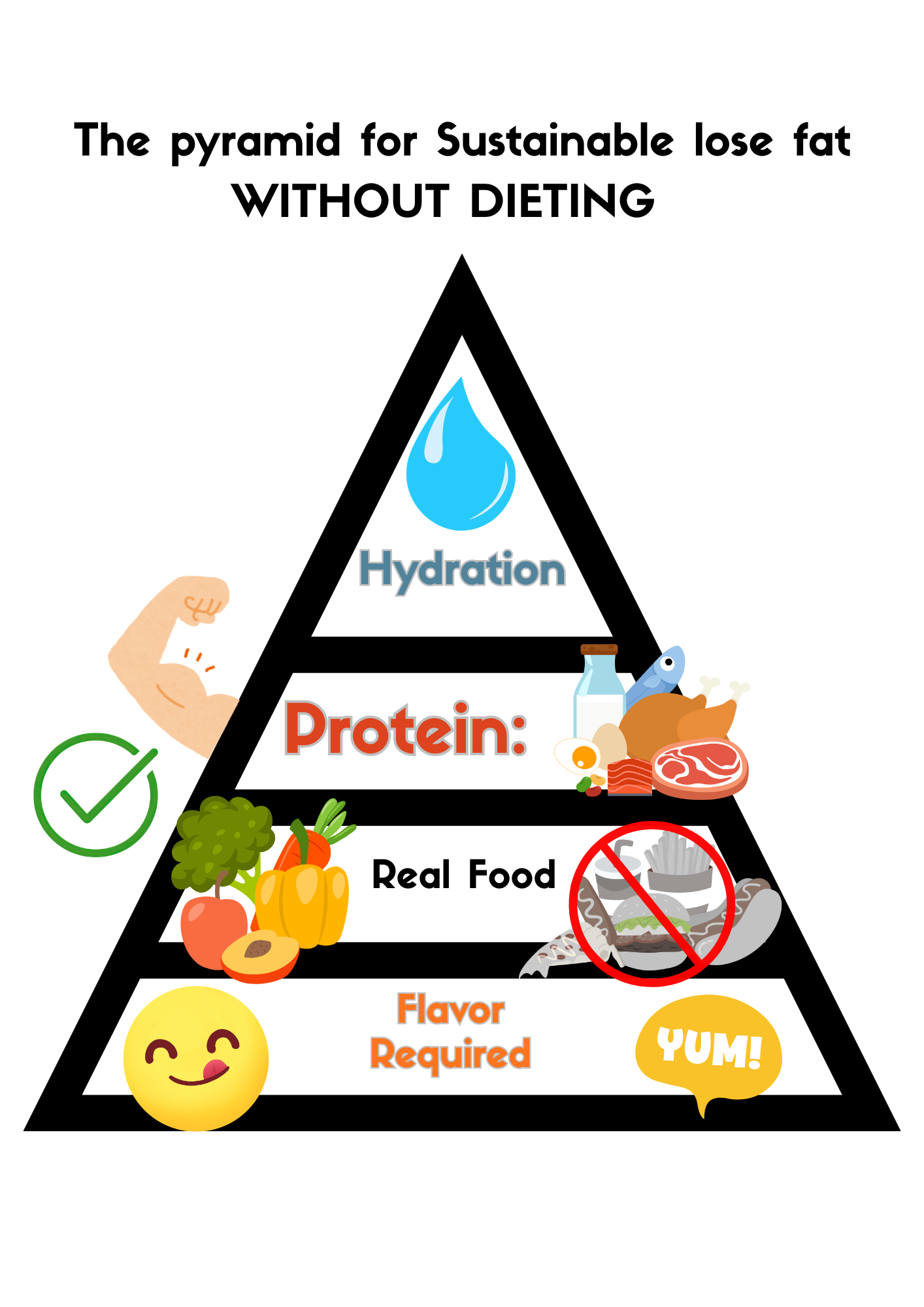
The Pyramid for Sustainable Fat Loss Without Dieting
Hydration Comes First
If there is one habit that improves fat loss almost immediately, it’s proper hydration. Even mild dehydration can: Increase perceived hunger, reduce training performance, slow metabolic processes
A simple guideline: 22 ml of water per pound of body weight per day
Hydration is not a “bonus habit” — it’s foundational.
Protein: The Second Pillar of Fat Loss
If water is number one, protein is number two — very closely behind.
Adequate protein intake: Preserves lean muscle, Increases fullness, Raises the thermic effect of food (you burn more calories digesting it)
For individuals aiming to lose fat and maintain muscle:
2.2–2.6 g of protein per pound of body weight is a practical, effective range, especially when combined with resistance training.
The simplest strategy?
Build every meal around a lean protein source first. I AM NOT SAYING THAT CARBOHYDRATES ARE NOT IMPORTANT OR THAT YOU SHOULD KEEP EATING MORE PROTEIN, JUST SAYING THAT MAKING SURE YOU ARE EATING A SOURCE OF PROTEIN (LEAN) EVERY MEAL IS KEY. To know more about proper protein intake, check my blog out.
Learn to Shop for Real Food (Without Overthinking It)
One of the easiest ways to improve diet quality is by shopping the perimeter of the grocery store. That’s where you’ll find: Lean proteins, vegetables and fruit, whole, minimally processed foods
Yes, calories matter — but nutrient density matters too.
Broccoli and that low sugar can may contain similar calories (around 5 to 25, flavour without guilt), but their metabolic impact is not the same.
Flavor Is Not Optional — It’s Required
Let’s be honest for a moment. Can you imagine a marriage without sex? or working without getting paid? What about Toronto without winter? (ok, probably this is your dream). But my point is, committing to something long-term that brings you zero satisfaction? it wouldn’t last. So why do people still believe that sustainable fat loss comes from bland food, juice cleanses, or endless bowls of plain salad?. Flavor is the reason people stay consistent.
When you remove enjoyment from food, you’re not building discipline — you’re building frustration. And frustration always leads to quitting, especially for professionals balancing demanding careers in finance, IT, or tech, etc.
Final Adjustments That Make This Work in Real Life
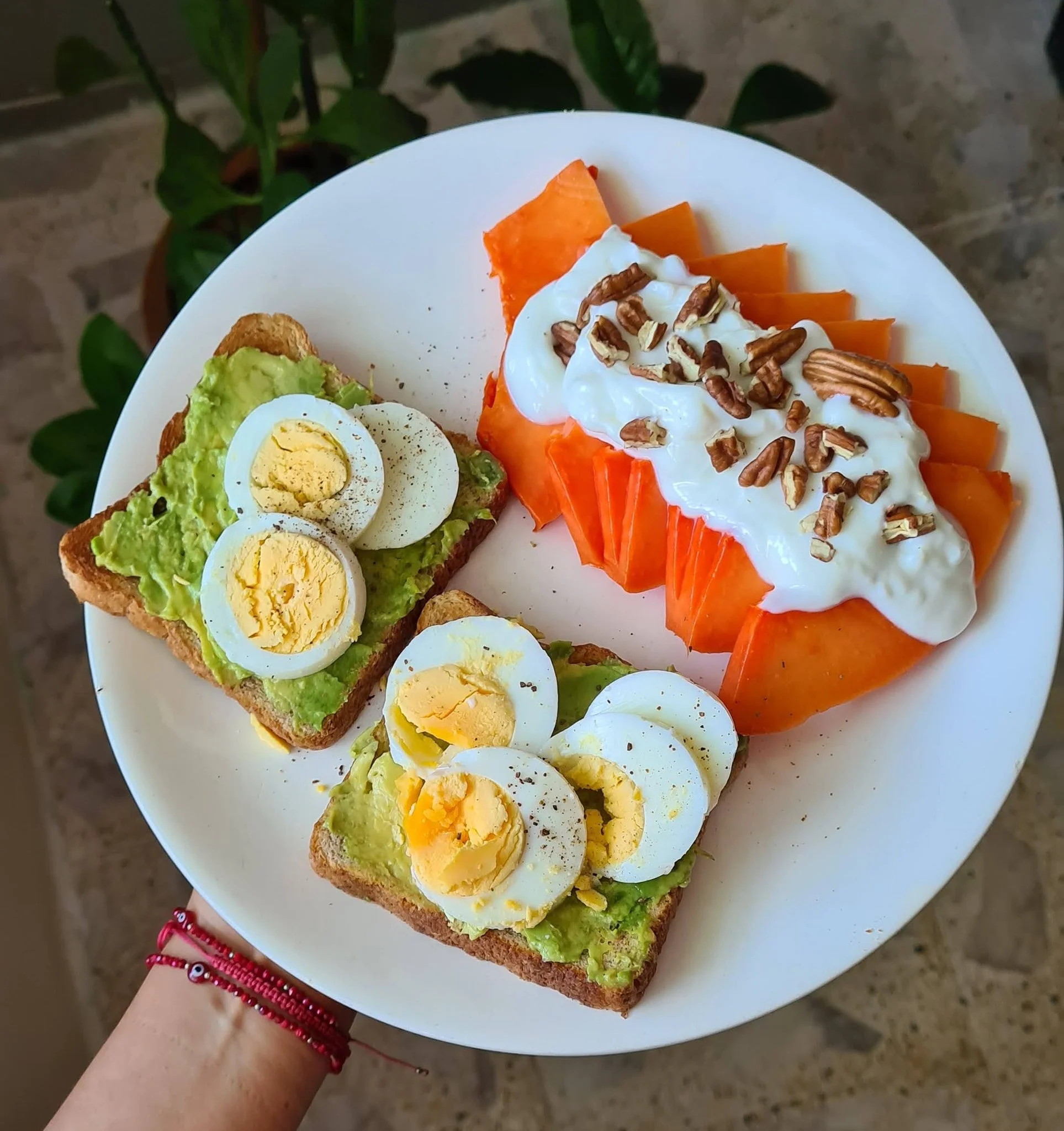
You don’t need to count calories forever for fat loss to work. In fact, most people do better when they move away from numbers and toward structure. A simple visual plate — prioritizing protein, filling most of the plate with vegetables, and leaving room for carbohydrates — naturally regulates portions without mental exhaustion. No food groups eliminated. No extremes. Just consistency you can actually maintain.
I am sure you already know the HEALTHY EATING PLATE but this is how it would look like in real life (well, at least in my real life)
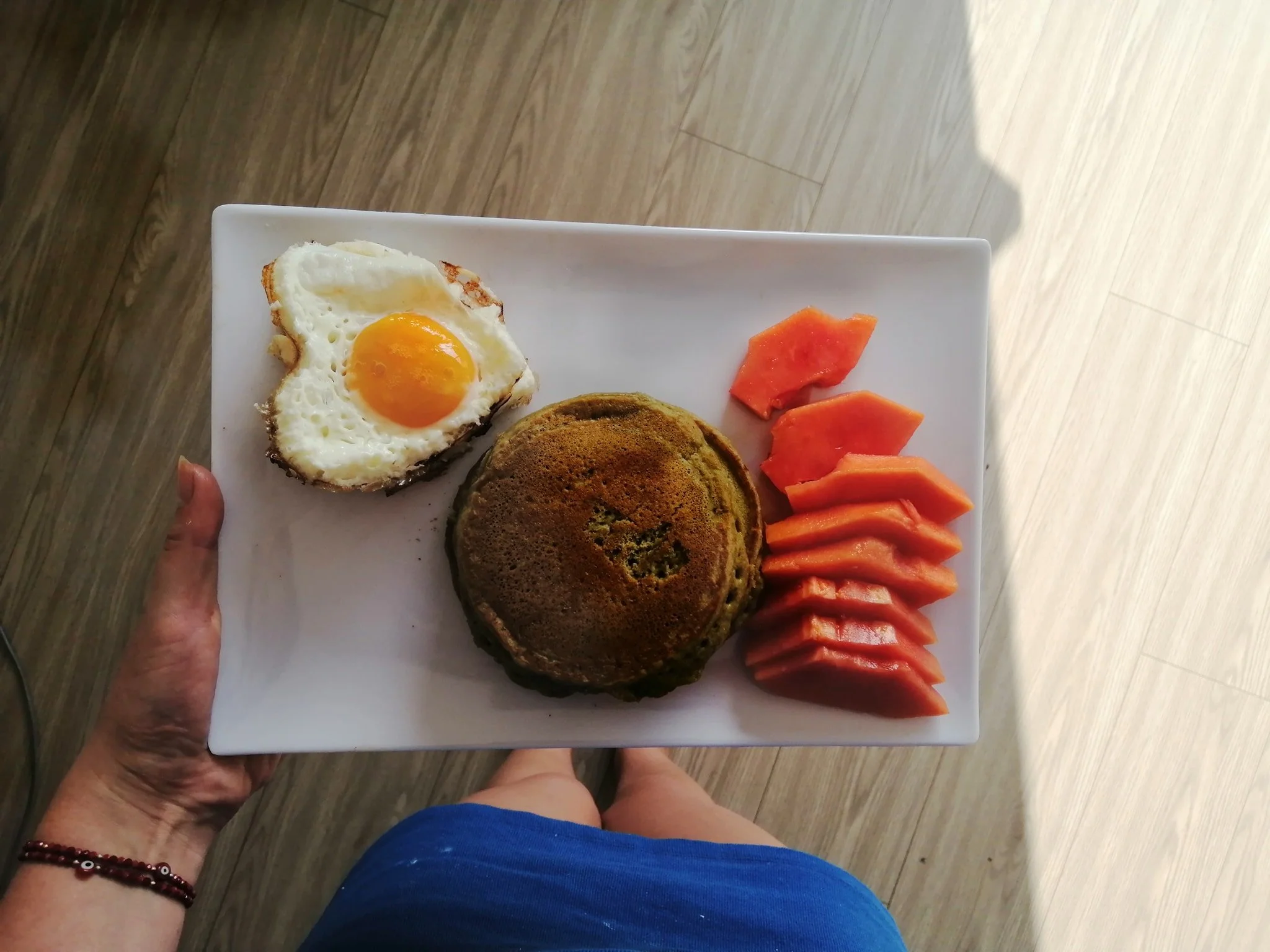
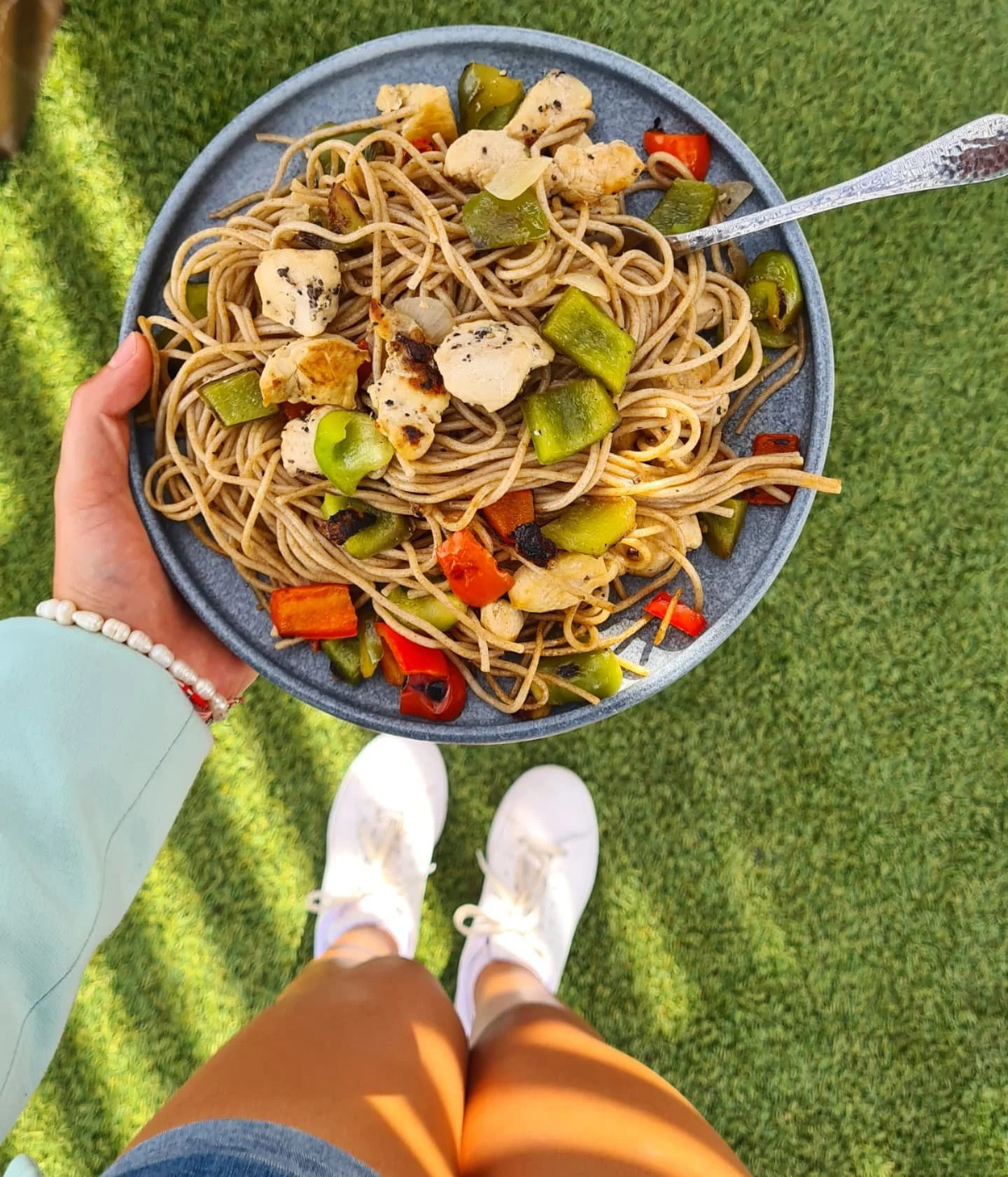

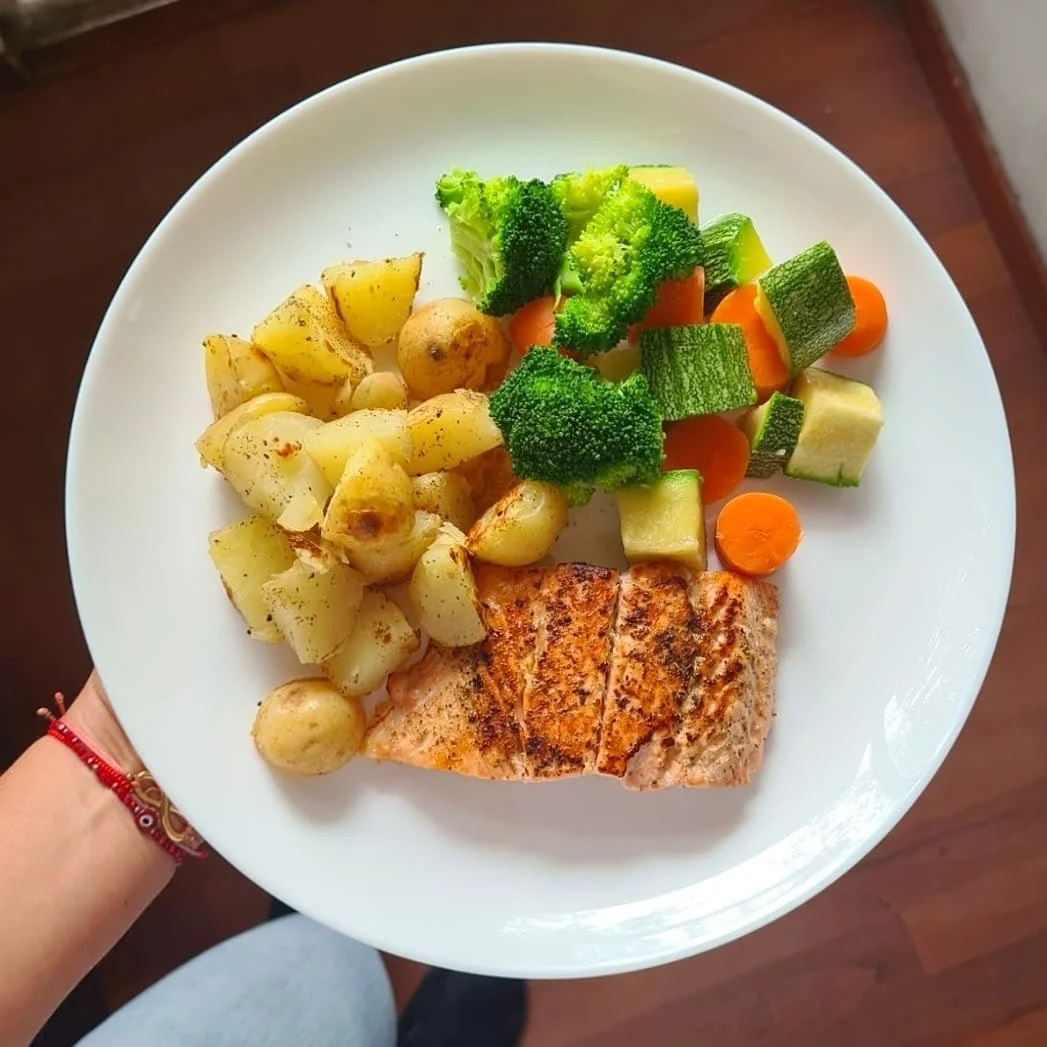
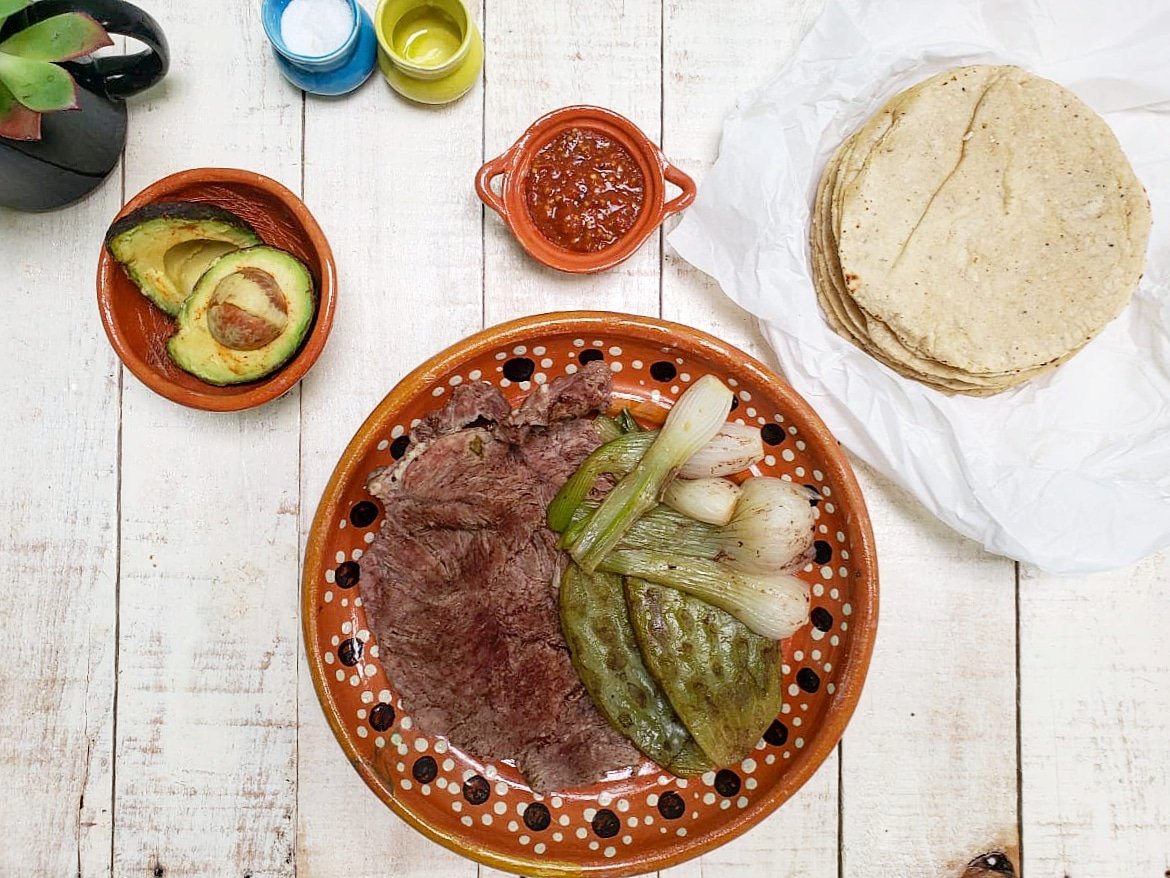
The same logic applies to meal prep. This isn’t about eating the same meal every day. Preparing components instead of rigid dishes gives you flexibility: proteins ready to go, vegetables available fresh or frozen, and different carbohydrate options you can rotate depending on your mood and schedule. This approach removes decision fatigue and fits real life — especially if you work long hours in Downtown Toronto.
Structure also matters when it comes to dieting.
Most overeating doesn’t happen because of hunger, but because meals aren’t planned. Think of it like work: a system without structure breaks down. In finance, cash flow without forecasting leads to overspending. In tech, an algorithm without logic creates errors. Nutrition works the same way.
Eating on a schedule — starting with breakfast and spacing meals every few hours — regulates appetite and reduces impulsive snacking. When you know exactly when your next meal is coming, you stop relying on willpower. And that’s a good thing, because willpower is limited. Structure isn’t.
Remember, sustainable nutrition leaves room for enjoyment. Perfection isn’t the goal — consistency is. Allowing flexibility throughout the week reduces burnout, supports your social life, and lowers the risk of rebound weight gain. You can eat out, attend events, and enjoy food while still making strategic choices that support your goals.
Your habits didn’t form overnight, and they won’t change overnight either. But with small, intentional adjustments, eating well becomes easier, more automatic, and even enjoyable. Over time, healthy eating stops feeling like effort — it becomes your default.
Looking for a Dietitian in Downtown Toronto This New Year?
If your New Year goal is sustainable fat loss, improved energy, and a nutrition plan that actually fits your lifestyle, Dietisha offers science-based, personalized nutrition support for busy professionals in Downtown Toronto. Book here
✨ No crash diets
✨ No extremes
✨ Long-term results
Happy New Year — and here’s to building habits that last.
