
Real Protein vs Protein Supplements: Why More Is Not Always Better
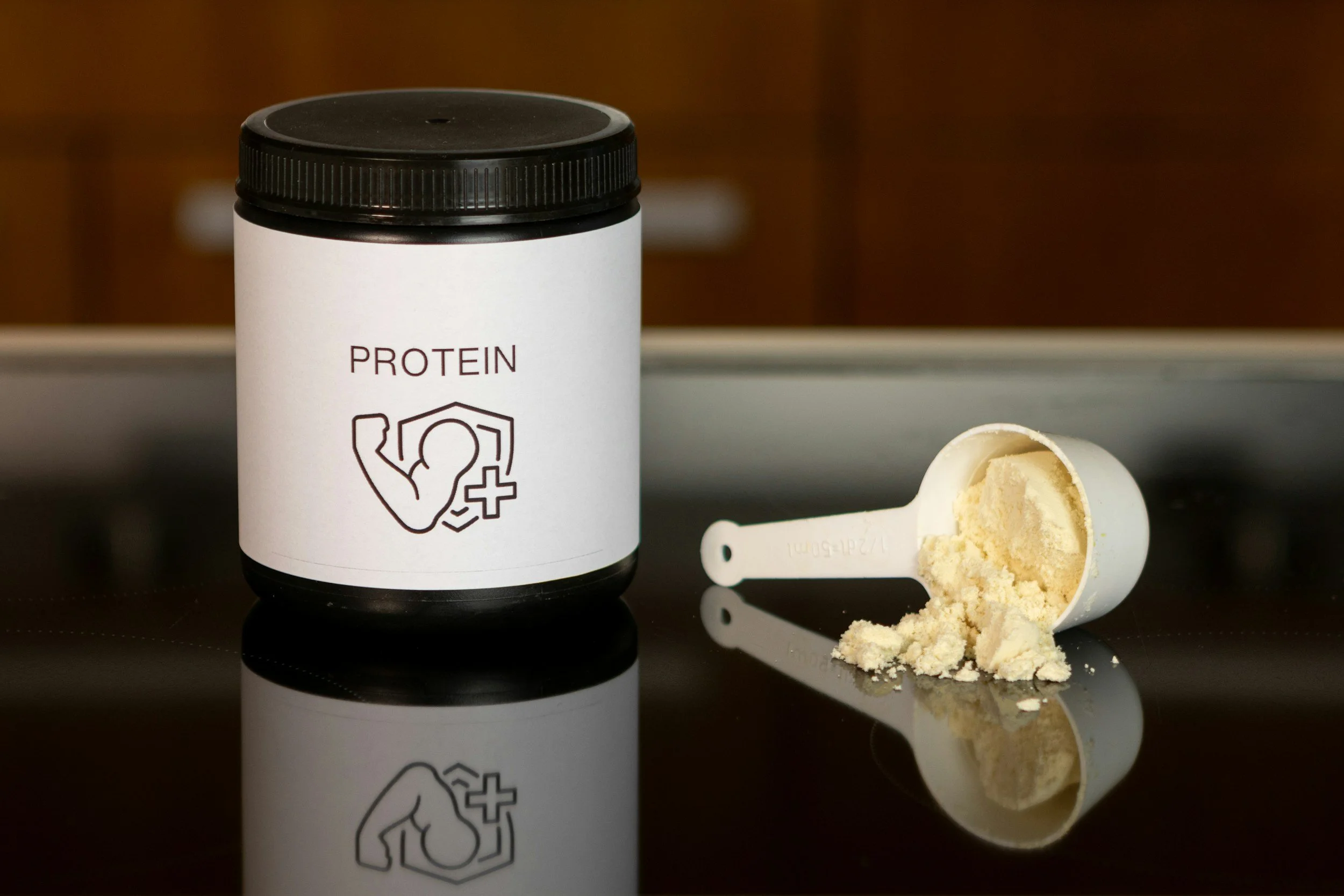
Whole food protein supports metabolism, digestion, and long-term health better than shakes and powders.
We live in a world where “more of the good” is a powerful marketing rule — and nowhere is this more visible than on food packaging. Walk through any grocery store and you’ll see bold claims on the front of packs: “More protein!” “High protein!” “Extra protein!” Protein is good for us, so the message becomes: eat more protein, drink more protein, add protein to everything. Protein bars, protein cookies, protein water — even coffee with added protein has entered the mainstream.
But in health, more is not always better.
Protein is essential. It supports muscle, hormones, immune function, and metabolic health. And yes, protein is generally a better choice than excess sugar or ultra‑processed saturated fats. However, that does not mean we need unlimited amounts, nor that eating more protein than we need will make us healthier.
Protein Needs vs. Protein Marketing
Your body has a protein requirement, not an endless demand. Once that requirement is met, additional protein does not magically turn into more health, more muscle, or better metabolism.
The problem with protein supplements — powders, shakes, ready‑to‑drink bottles — is that they make it very easy to overconsume protein without realizing it. One shake here, a bar there, plus protein at meals… and suddenly intake is far beyond what your body can actually use.
Health Risks of Eating Too Much Protein
Chronically overeating protein can contribute to:
Digestive stress (bloating, constipation, dehydration)
Increased kidney workload, especially in people with underlying vulnerability
Calcium loss through urine when intake is consistently excessive
Displacement of other nutrients, like fiber, healthy fats, and phytonutrients
Metabolic inefficiency — what your body doesn’t use doesn’t build muscle or health
As we say in Mexican slang: “lo que no se usa, se oxida” — what isn’t used, goes to waste.
Protein Supplements Skip Digestion — And That Matters
When you drink a protein supplement, you are consuming amino acids that are already broken down, ready to be absorbed almost immediately.
This can be useful — but only in very specific cases.
Think of an Olympic swimmer or elite endurance athlete who needs 3,500–5,000 kcal per day. For them, meeting energy and protein needs through food alone would mean eating every 2–3 hours, all day long. In that context, protein supplements are a practical tool. Their lifestyle revolves around training, recovery, and performance.
But for someone who lifts weights for fitness, health, or appearance? Protein supplements are rarely necessary.
Use It or Lose It: The Digestive System Adapts
Your digestive system is highly adaptive. When you regularly bypass digestion by relying on liquid nutrients, your body may down‑regulate its ability to digest whole foods efficiently — not just protein, but other macronutrients as well.
Digestion is a skill. When we stop using it, we weaken it.
Thermic Effect of Food: How Real Protein Boosts Metabolism

One of the most overlooked reasons to choose real protein foods over shakes is the thermic effect of food (TEF).
Digesting food requires energy. Chewing, breaking down proteins, absorbing amino acids — all of this burns calories and slightly increases your basal metabolic rate.
Whole protein foods like eggs, fish, legumes, yogurt, or meat require work from your body.
Protein shakes do not.
When you drink protein, digestion is minimal, energy expenditure is lower, and the metabolic benefit is reduced.
Liquid Protein and Insulin Spikes
Liquid protein is absorbed faster than solid food. This leads to a quicker insulin response compared to eating whole protein sources.
While insulin itself is not the enemy, frequent sharp spikes without the buffering effect of fiber, fat, and digestion can negatively impact metabolic health over time — especially for people focused on fat loss, insulin sensitivity, or long‑term prevention.
Real Protein Comes With More Than Amino Acids
Whole protein foods provide:
Healthy fats
Micronutrients
Bioactive compounds
Satiety signals
Protein powder provides amino acids — and little else.
Protein is essential — but real protein foods outperform supplements for most people.
Unless you are an elite athlete with extremely high caloric demands, your body benefits more from eating protein than drinking it. Whole foods support digestion, metabolic rate, insulin balance, and long-term health in ways supplements simply cannot.
Health is not about adding more of one nutrient. It’s about understanding what your body actually needs.
Want to Know Your Optimal Protein Intake?
Not everyone needs the same amount or type of protein. Your genetics influence how well you digest, absorb, and use protein, as well as how your body responds to insulin, fats, antioxidants, and inflammation.
At Dietisha, I offer a personalized epigenetic report that analyzes 96 health indicators, including:
Protein and fat absorption efficiency
Individual antioxidant needs
Food sensitivities (including caffeine and alcohol)
Nutritional strategies to support long-term brain and metabolic health
If you want clarity instead of guesswork, this report shows you what to eat, how much, and why — based on your biology.
➡️ Explore the Dietisha Epigenetic Report and start building health from the inside out.
