
The 5 Rapid Recipes Gut Experts Rely On During High-Stress Weeks
Simple, satisfying, and flare-proof meals to keep digestion calm when your schedule is chaotic.
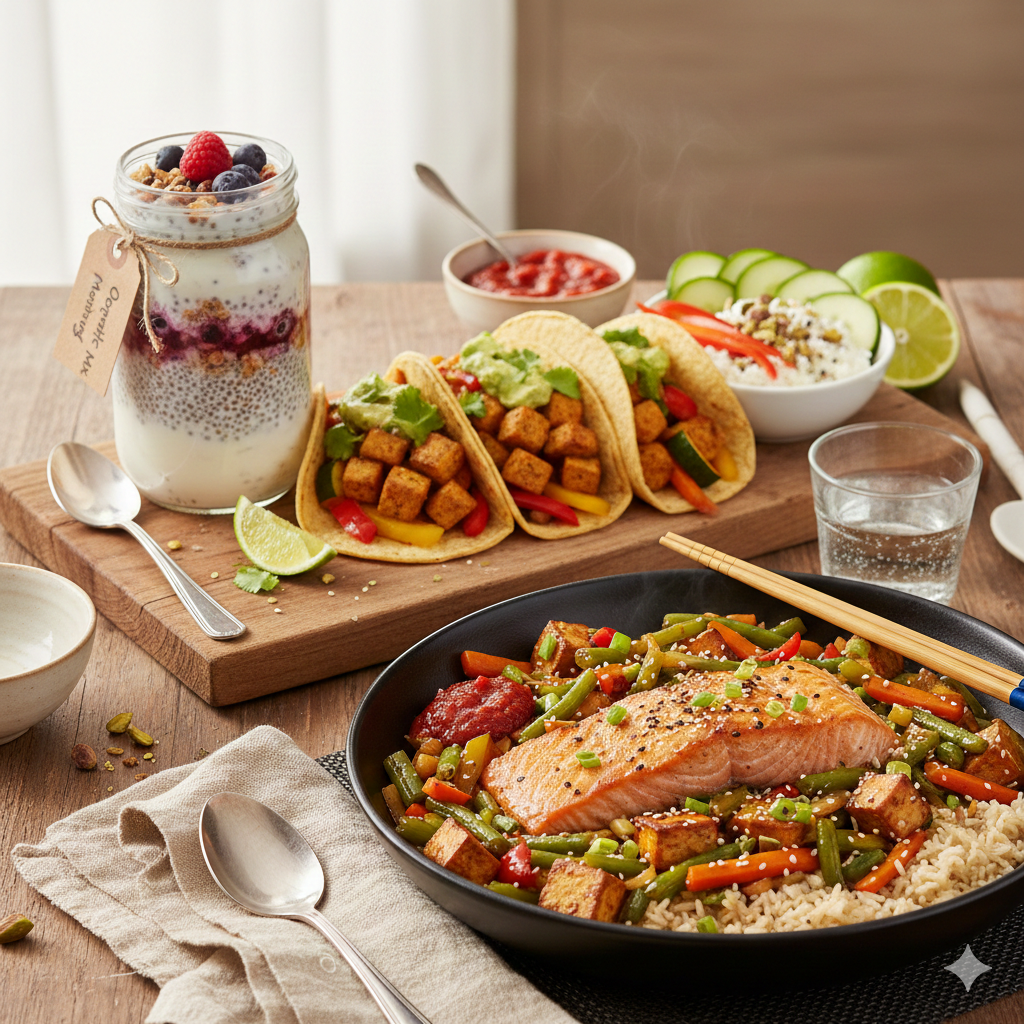
When your week spins into chaos—late nights, back-to-back meetings, and zero time for yourself—it’s often your nutrition routine that suffers first. For those managing a functional gastrointestinal disorder like Irritable Bowel Syndrome (IBS), slipping out of a stable eating pattern can instantly put your gut on edge.
Busyness usually brings with it reduced sleep, increased stress, and a reliance on quick, often high-fat or processed foods—a perfect storm for a symptom flare-up. Digestive specialists highlight that whether you lean toward constipation (IBS-C), diarrhea (IBS-D), or mixed habits (IBS-M), stress is a massive trigger because of the strong link between the brain and the gut.
During periods of high demand, the digestive system can become over-reactive. This can manifest as bloating, painful gas, or changes in bowel movements. To counteract this, it’s vital to double down on supportive habits. No single meal is a cure-all, but consistent, gut-friendly choices built around hydration, adequate fiber, movement, and stress reduction can make a profound long-term difference.
If you’re struggling to find the time to cook nourishing, gut-safe meals, we’ve compiled a list of five streamlined recipes frequently used by nutrition professionals who personally manage IBS. These are the meals that save their sanity and keep their symptoms settled during their most demanding days.
The Quick Meals Gut Experts Recommend
1. Overnight Probiotic Chia Mix
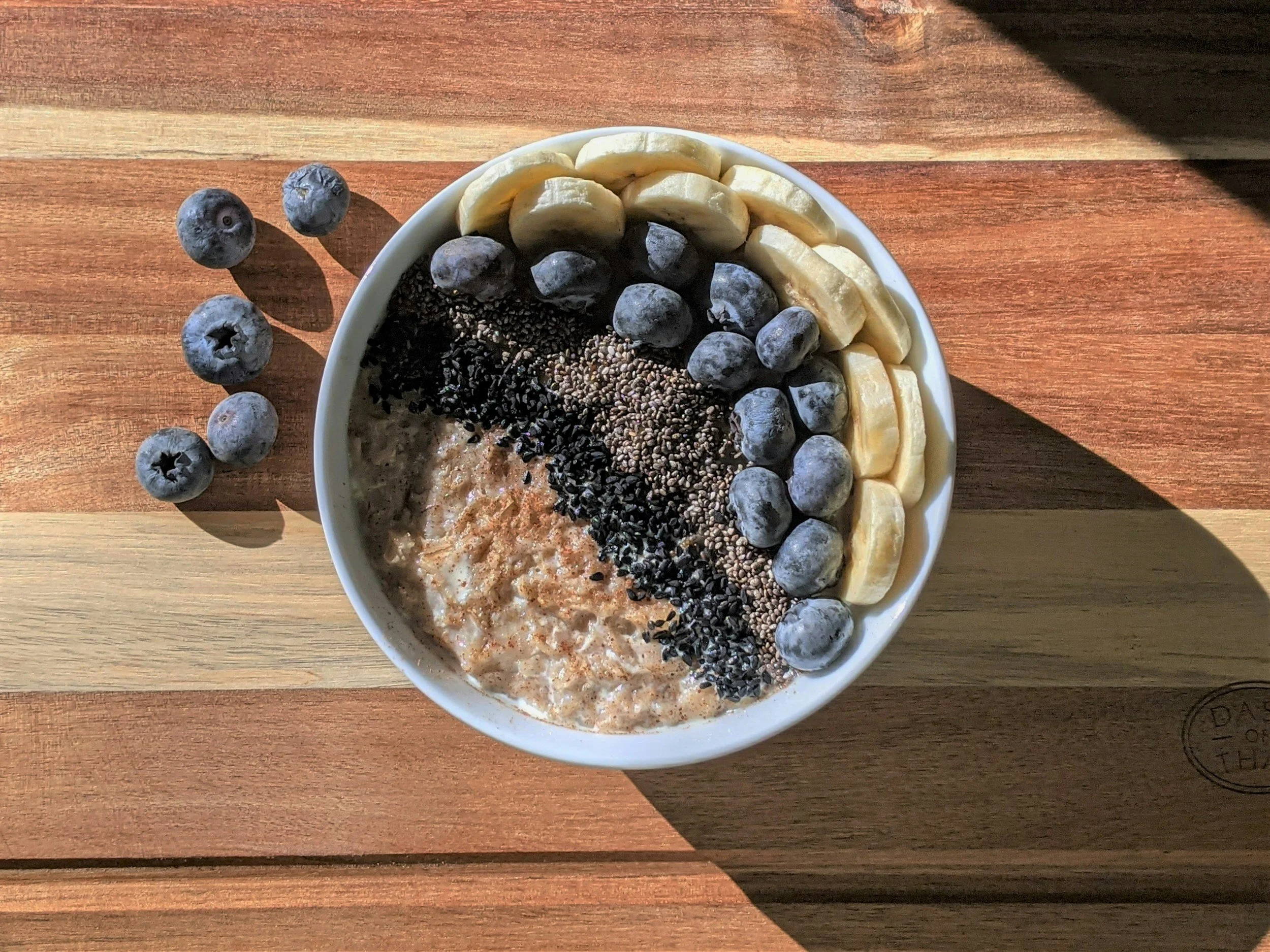
A slow morning ritual is crucial for encouraging bowel movements, especially for those with IBS-C. When time is tight, a fantastic option is a no-cook breakfast made the night before. Simply combine chia seeds with a lactose-free yogurt. This blend delivers high-quality probiotics for a thriving gut microbiome and a dose of soluble fiber, which acts as fuel for beneficial gut microbes and aids in stool regularity. Add a few low-FODMAP fruits like frozen blueberries for flavor.
2. Plant-Based Power Tacos
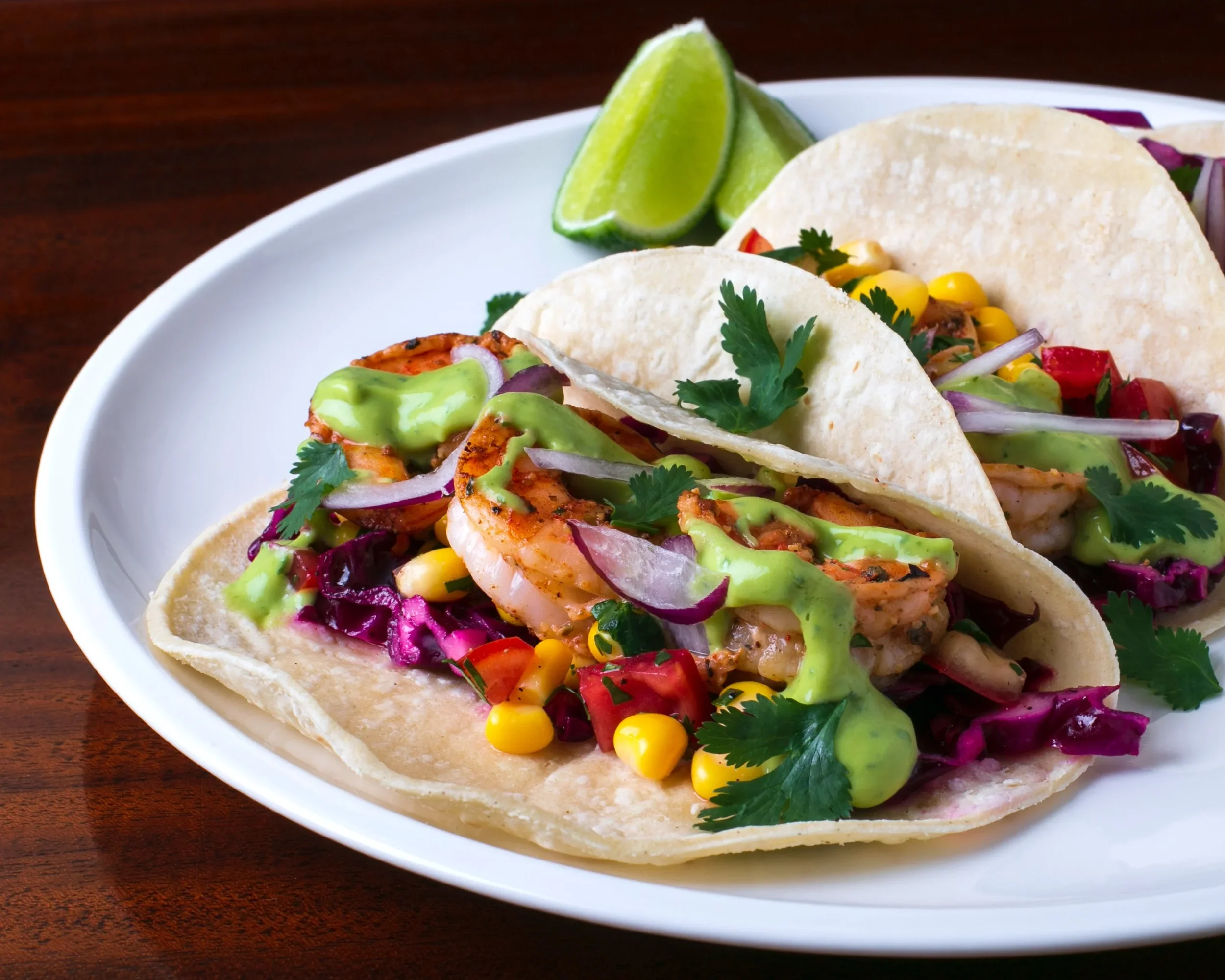
Hectic schedules can lead to distracted eating and poor chewing, which introduces air and undigested food into the gut, quickly causing gas and bloating. A fast, versatile lunch that encourages variety is ideal. Try plant-based tacos using firm tofu or pumpkin seed protein (Pumfu), sautéed or air-fried quickly. Tuck the protein along with easily digested vegetables (like bell peppers or zucchini) into corn or cassava flour tortillas. This keeps the meal light while offering fiber and protein.
3. High-Protein Vegetable Snack Bowl
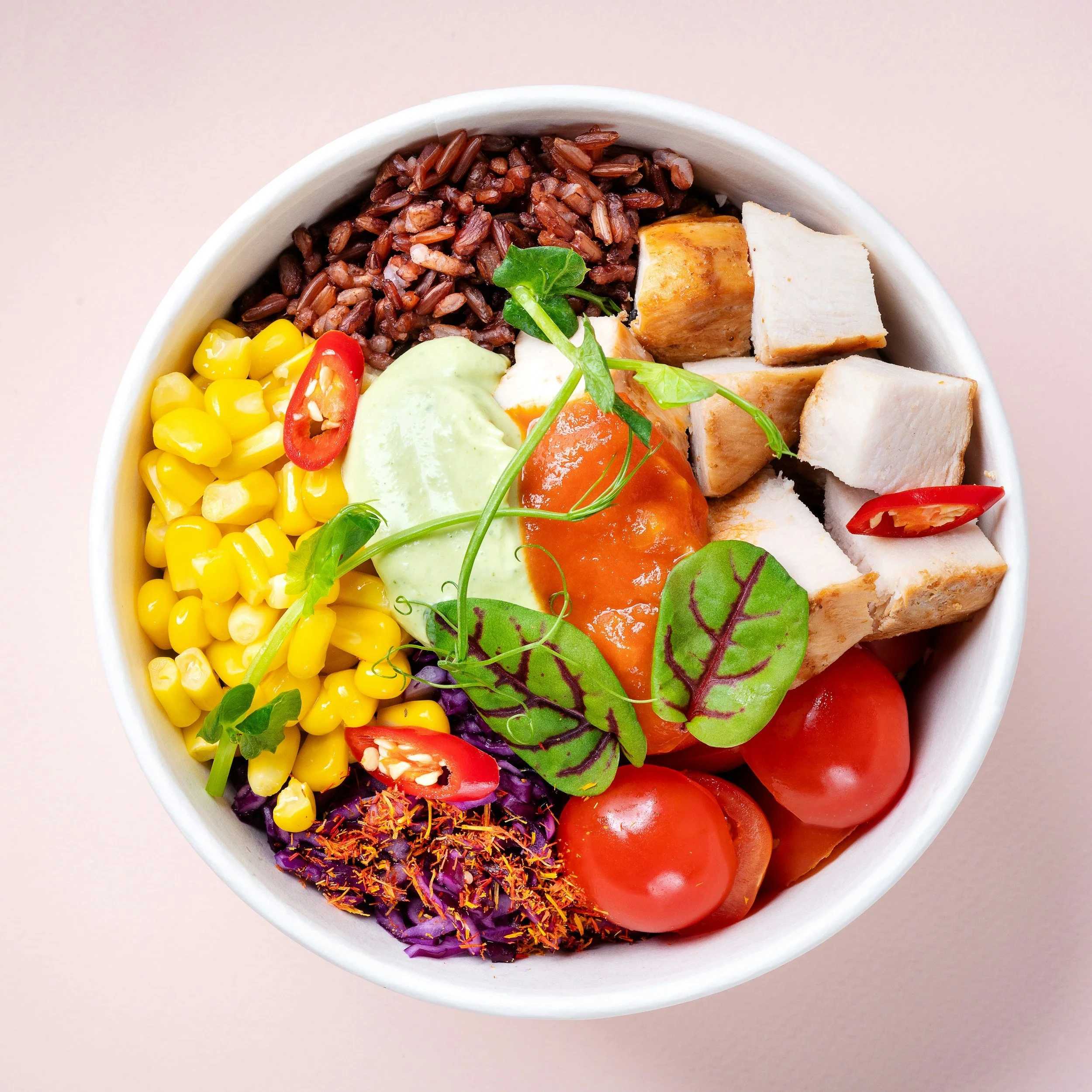
When you need a quick, sustaining snack or light lunch to bridge the gap between main meals, look for protein and fiber. Low-fat cottage cheese is an excellent choice as it provides lean protein and often contains live, active cultures. Pair it with chopped, crunchy veggies (like cucumber or carrot sticks) and a small handful of pistachios. The combination of protein and fiber helps maintain fullness and supports smooth digestion, avoiding the heavy, slow-to-digest nature of high-fat foods.
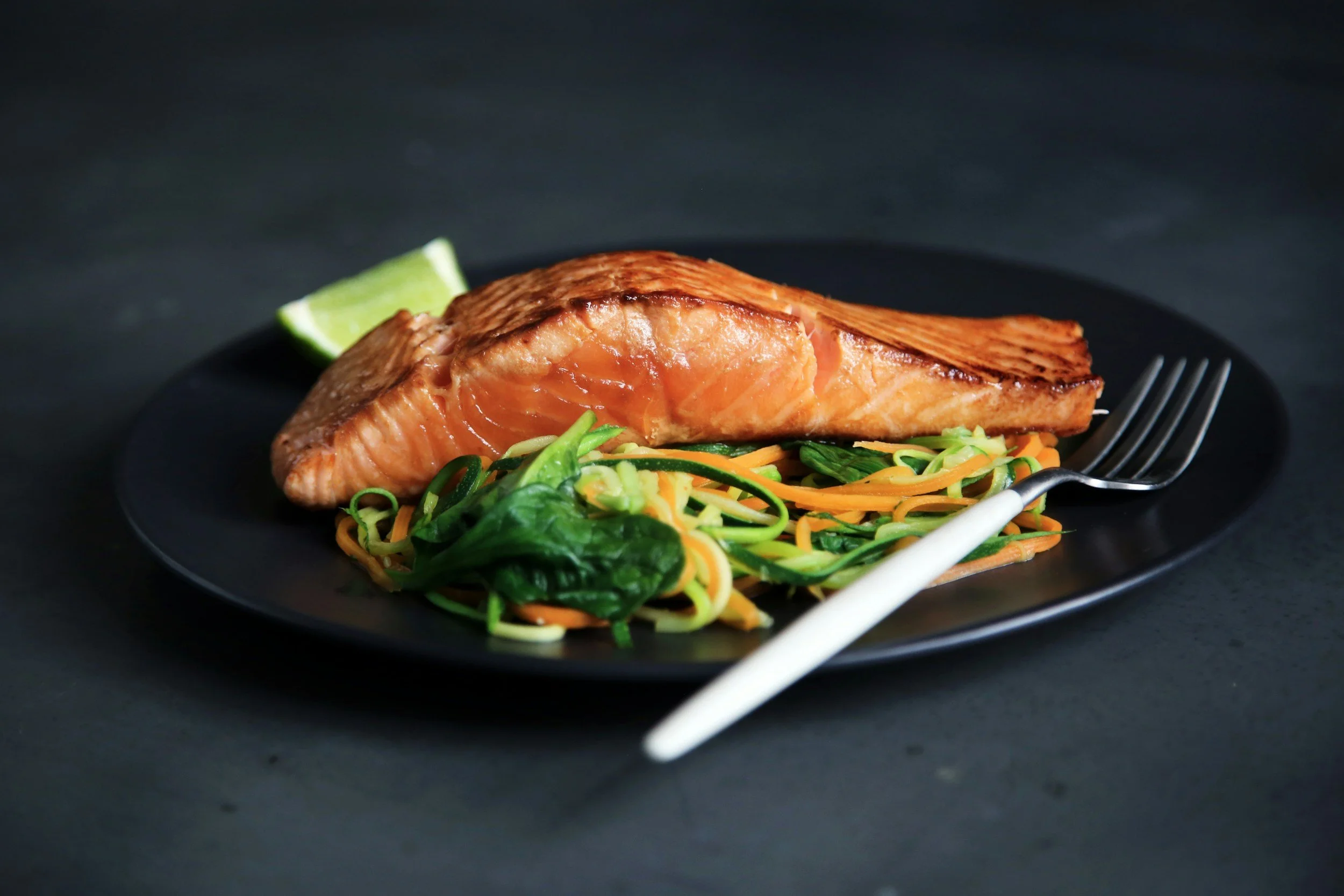
4. Anti-Inflammatory Sheet-Pan Dinner
For busy weeknights, the oven is your best friend. A simple sheet-pan meal minimizes cleanup and cooking time. Roast a fillet of salmon (rich in anti-inflammatory omega-3 fatty acids) alongside easily digested, low-FODMAP vegetables like carrots, zucchini, or bell peppers. Using garlic-infused olive oil adds flavor without the fermentable carbohydrates of garlic. Roasting fiber-rich vegetables actually softens them, making them gentler on the digestive tract for those prone to gas and bloating.
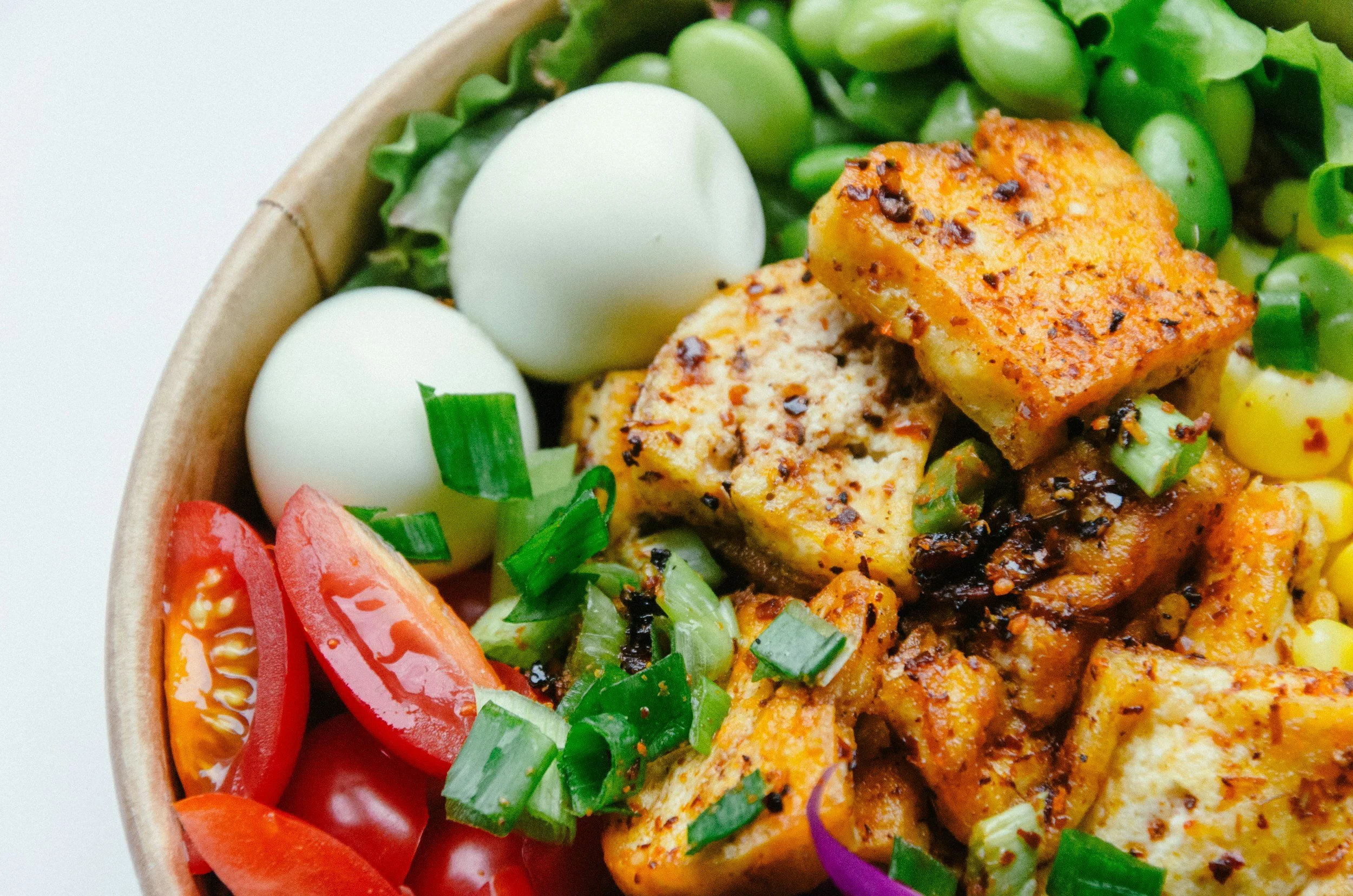
5. Fast, Savory Tofu Stir Fry
A customizable stir fry is the ultimate weeknight rescue meal. Start with firm tofu and quick-cooking, gut-friendly vegetables such as green beans, carrots, and green bell pepper. Serve over brown rice and season with simple ingredients like sesame oil and coconut aminos (a soy sauce alternative). Remember that how you eat is as important as what you eat. Even when rushing, take time to relax, chew your food thoroughly, and pay attention to fullness cues to prevent post-meal gastrointestinal discomfort.
Okay, But What If You’ve Already Tried All This?
You likely didn't land on this page without searching for solutions before. You've probably read all the lists, tried the generic suggestions, increased your water intake, and are still experiencing flares. If you've been consistent with general advice like those five quick meals, yet your problems persist, it's a clear sign that you need to shift your focus from general nutrition to personalized digestive health.
Your IBS symptoms are highly individual, often rooted in specific triggers that no generalized blog post can address. We're talking about more than just high-FODMAP foods; we're talking about subtle food sensitivities and deeper imbalances unique to your body.
If the quick fixes aren't working, it's time to dig deeper.
We move beyond guesswork by utilizing advanced, personalized tools:
Targeted Food Sensitivity Testing: Pinpointing the exact foods that trigger chronic inflammation and discomfort in your unique system.
Epigenetic and Gut Microbiome Reports: Analyzing how your genes and gut bacteria interact with your diet to understand the root cause of your digestive reactivity.
Don't spend another busy week guessing which meal will send you spiraling. Stop relying on solutions that are designed for the average person.
Stop Guessing. Start Solving.
If you are ready to move past the frustration of failed generic diets and finally identify the precise, individualized factors affecting your gut health, it’s time for a focused consultation. We provide the personalized testing and support you need to build a life of confident, flare-free eating.
Click Here to Book Your Personalized Digestive Health Appointment!
