
Small Ways Calories Add Up in Your Diet
If you’re looking to lose weight this summer—especially in fast-paced areas like New York City or New Jersey—start by taking inventory of the small things in your daily diet. Those little extras, like sauces, snacks, and “healthy” add-ons, can quietly add hundreds of calories without you realizing it.
You’ve probably heard that salad dressings are one of the most common sources of excess calories. So your first instinct might be to cut them out completely, right? If you haven’t yet, this might be your sign. But here’s the truth: dressing is not always the main problem.
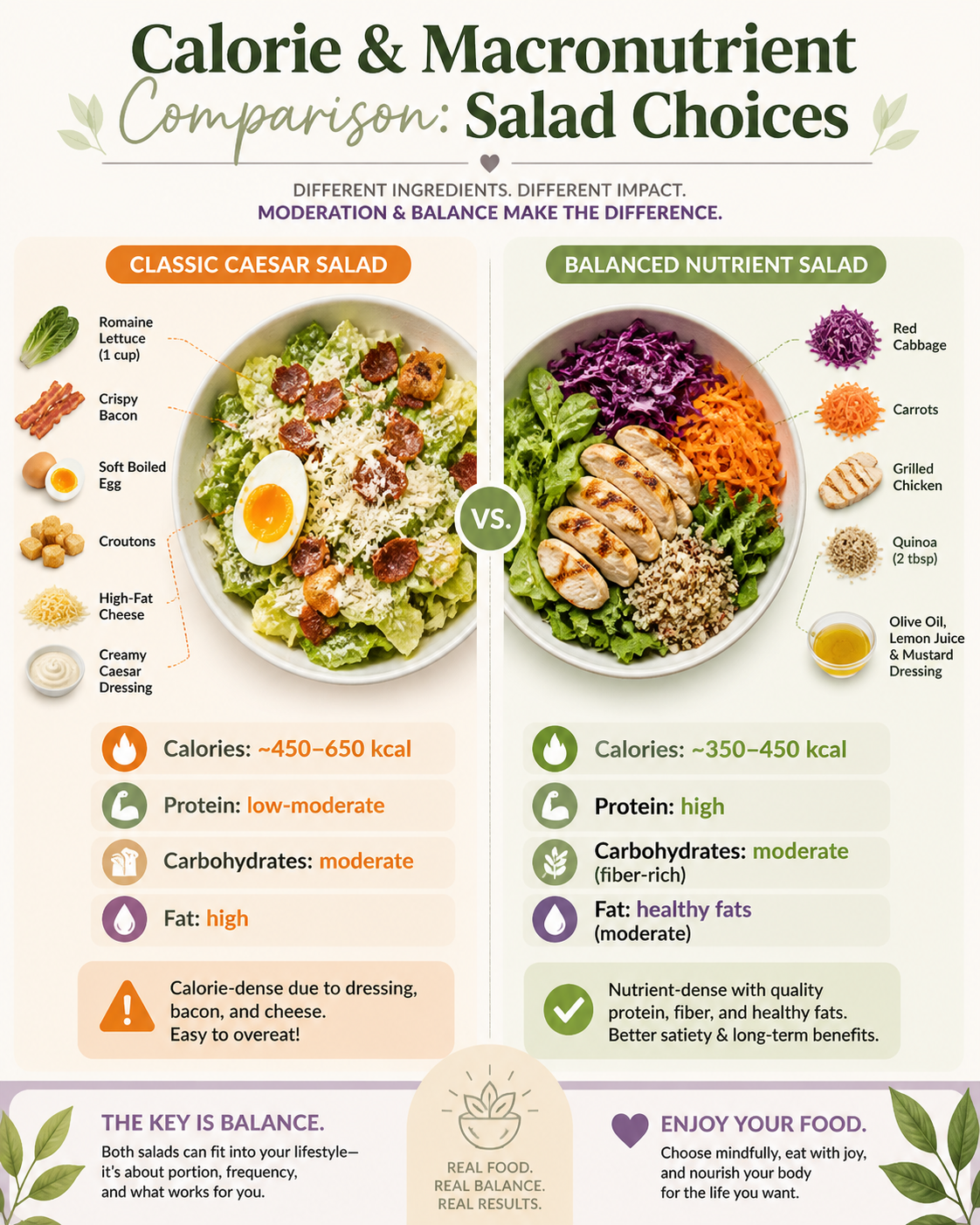
Before blaming the dressing, take a closer look at what’s actually in your salad. Is it mostly lettuce, which offers little nutritional value? Are you adding high-fat cheese, fried croutons, or bacon? Suddenly, the dressing isn’t the biggest issue anymore.
Instead of focusing on removing, focus on improving. Build a better salad:
Add colorful vegetables like carrots, red cabbage, or purple onion
Include quality protein like boiled eggs or grilled chicken
Add fiber-rich carbs like quinoa, rice, or sweet potato
Use a simple homemade dressing with olive oil, lemon juice, and mustard
You can even add a touch of honey if you’re gradually reducing sugar intake—no need to cut it drastically. Sustainable changes always win.
Smoothies are another major calorie trap, especially with the current “high-protein” trend. But have you ever stopped to think how many calories are in just one smoothie?
Unlike whole foods, smoothies require little digestion, meaning calories hit your bloodstream quickly. This reduces the thermogenic effect of digestion and can lead to faster spikes in blood sugar. If that energy isn’t used, it’s stored—often as body fat.
Be mindful of what you’re drinking throughout the day. Smoothies, coffees, and matcha drinks can be:
Pre-sweetened
Loaded with syrups, cream, or chocolate
Customized with multiple hidden sugars
Stick to simpler options. The fewer ingredients, the better.
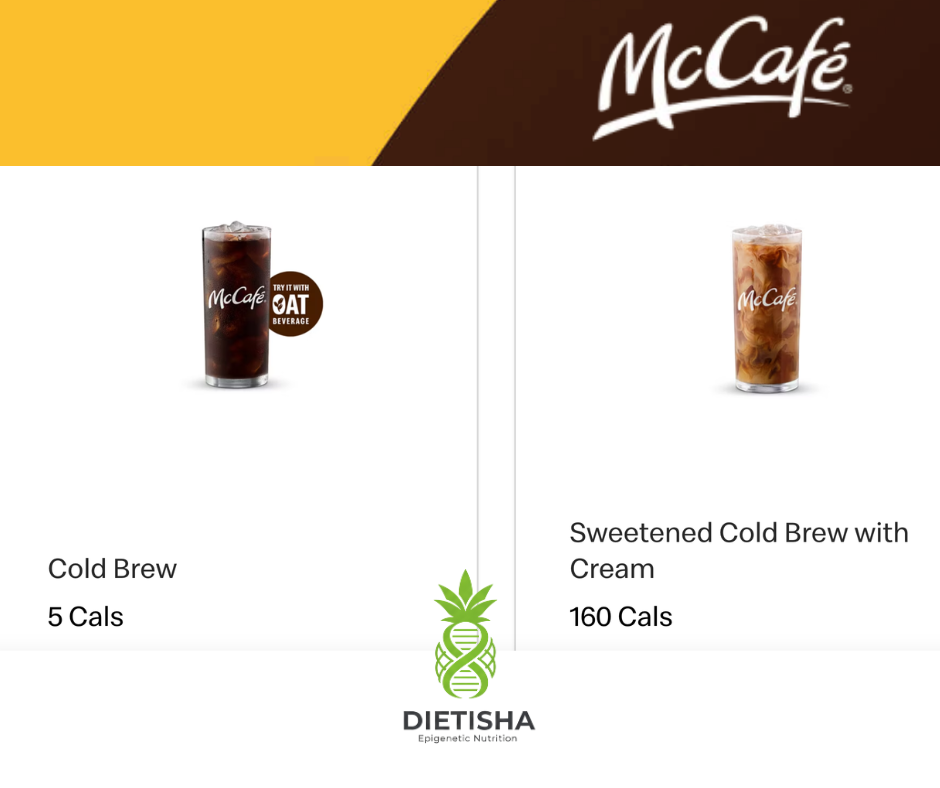
Breakfast can also be misleading. Many people switch to oatmeal as a “healthy” option—but then load it with granola, peanut butter, chocolate, or jams.
While this may be a good first step away from sugary cereals, over time it can still keep your sugar intake high.
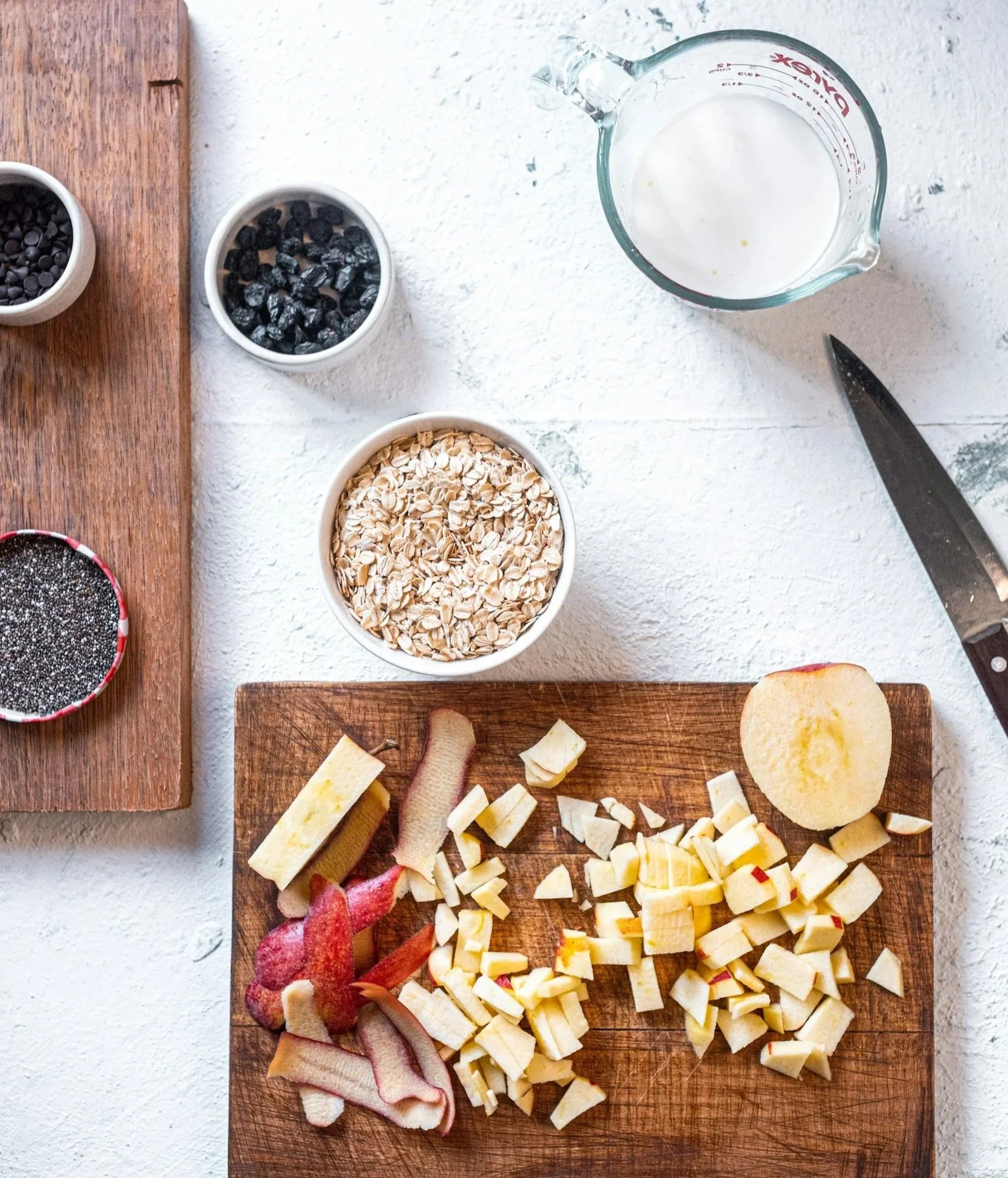
A better approach:
Use plain oats
Choose low-fat milk or unsweetened oat milk
Add cinnamon for flavor
Include whole fruits for natural sweetness, fiber, and vitamins
Be careful with portions of calorie-dense toppings like peanut butter or chocolate. Even healthy foods can slow your progress if portions aren’t controlled.
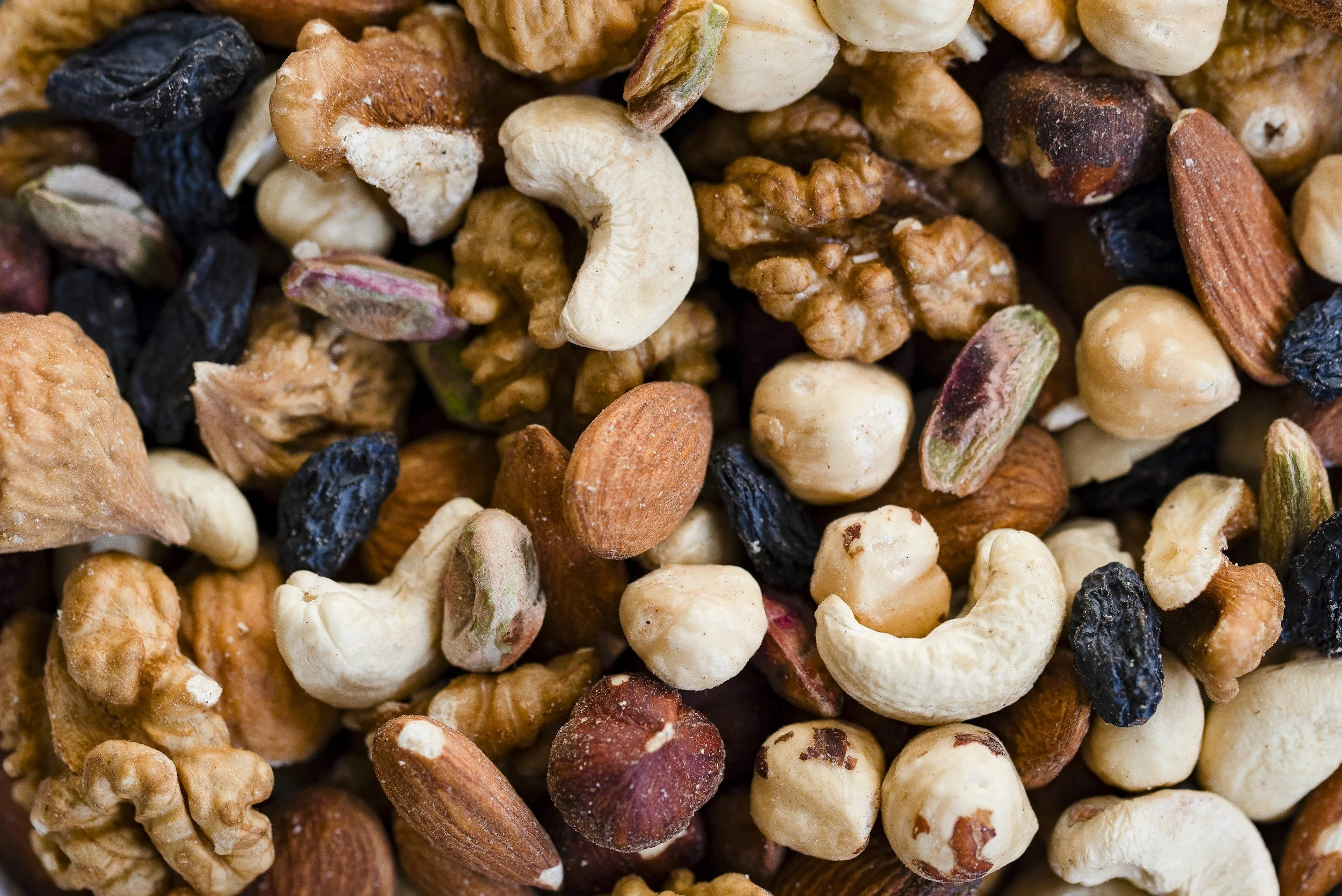
Now let’s talk about one of the biggest hidden calorie sources: trail mix.
Yes, nuts contain healthy fats—but fat is calorie-dense.
1 gram of fat = 9 calories
1 gram of carbs or protein = 4 calories
Trail mix often combines nuts with dried fruits and added sugars, making it extremely easy to overeat. A small bag can easily exceed 300–400 calories—and still leave you unsatisfied.
In the U.S., a recommended portion of nuts is about 1 ounce (28 grams) per day—roughly a small handful.
The problem? Most people eat 2–3 times that amount without noticing.
You don’t need to eliminate these foods completely. The key is awareness and moderation.
If you eat trail mix daily, reduce it to 3–4 times per week
Replace ultra-processed dressings with simple homemade versions
Rotate snacks instead of repeating the same high-calorie options every day
Small adjustments like these can make a significant difference over time—especially if you’re trying to lose weight in a busy lifestyle like NYC or New Jersey, where convenience often leads to hidden calories.
Final Thought
Before blaming your diet—or yourself—for not seeing results, take a closer look at the details. Sometimes it’s not what you’re eating, but how much and how it’s prepared that makes the difference.
Practicing moderation and paying attention to serving sizes is important—but eating without stress is just as powerful. Enjoy your meals, stay mindful, and focus on consistency over perfection.
Ready to Take It Further?
If you’re tired of guessing and want a personalized, science-based approach to your nutrition, I can help.
At Dietisha, I specialize in helping professionals in New York and New Jersey optimize their health, improve body composition, and build sustainable habits based on real data—not trends.
👉Book your consultation today and start understanding your body at a deeper level
