
The Protein Trap: from nutrient… to obsession… to marketing strategy.
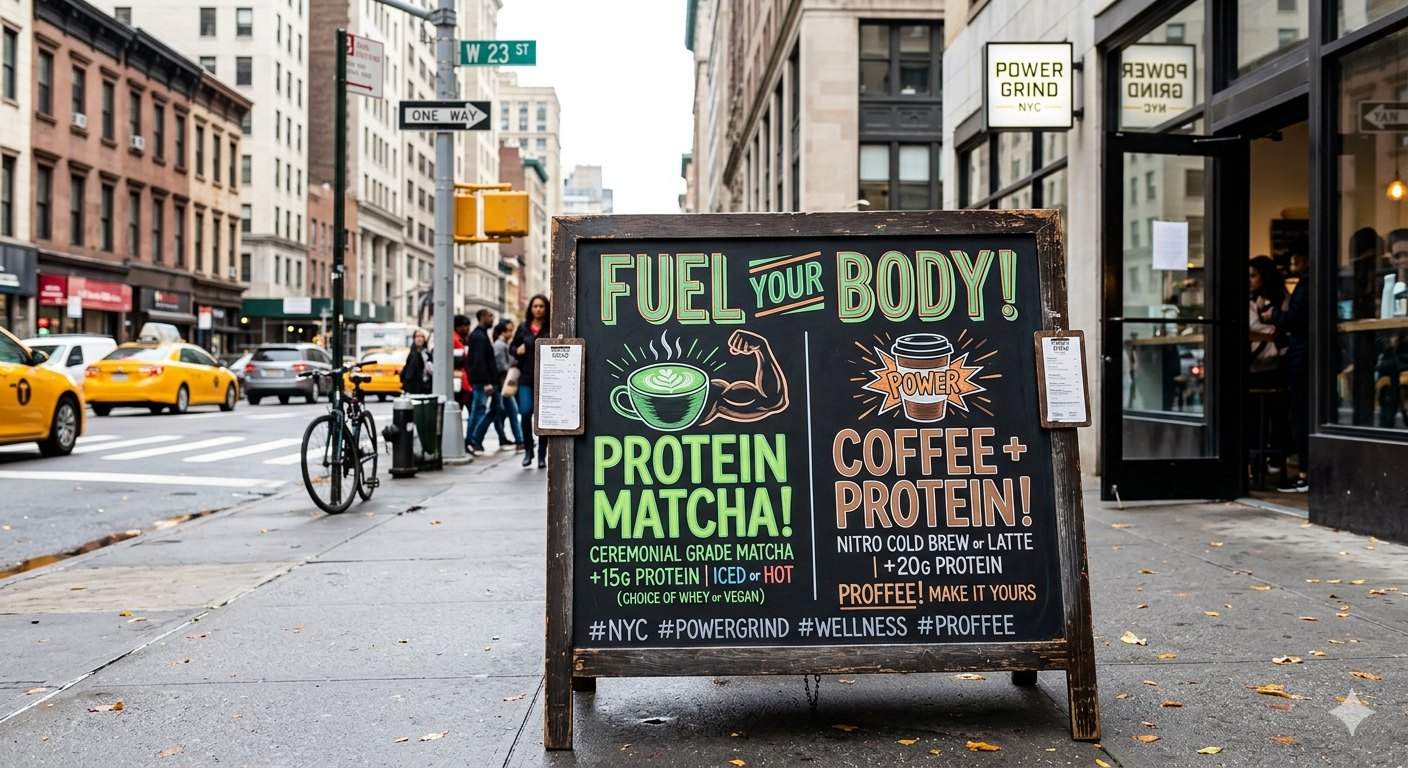
Walk through any street in New York City and you’ll see it everywhere: protein coffee, protein ice-cream, even protein matcha. We are in the protein fever era. And with recent U.S. dietary conversations placing a lot of emphasis on “getting enough protein,” many companies have taken that message and turned it into more is always better marketing strategy.
But there’s a trick hidden in that narrative:
Meeting your protein needs is healthy. Constantly adding isolated protein powders to an already adequate diet, IS NOT.
As a dietitian, I’ve watched protein move from nutrient… to obsession… to marketing strategy, and I get why. Protein promises muscle, fat loss, satiety, anti-aging, longevity. Who wouldn’t want that? But somewhere in this trend, many people have started forgetting a simple truth: real food still does the job better
This Is Why You Should Think Twice Before Relying on Protein Powder

Years ago, when protein powders became popular, I actually thought they sounded like an upgrade. Maybe a civilized replacement for the old raw egg shakes our grandparents believed in. Remember those? Raw eggs blended into juice. Sometimes canned tuna was considered “high-protein health breakfast. Thankfully, we evolved.
Protein powders looked like a smart, modern solution, Convenient-Clean-Efficient. But now? They’re in coffee, They’re in oatmeal., They’re in desserts. People are adding scoops to foods that already contain protein… while forgetting how to eat actual protein foods.
Eggs.
Fish.
Greek yogurt.
Legumes.
Meat.
Tofu.
REAL FOOD, AND THAT MATTERS.
What Happens When You Replace Real Protein Foods with Powder?
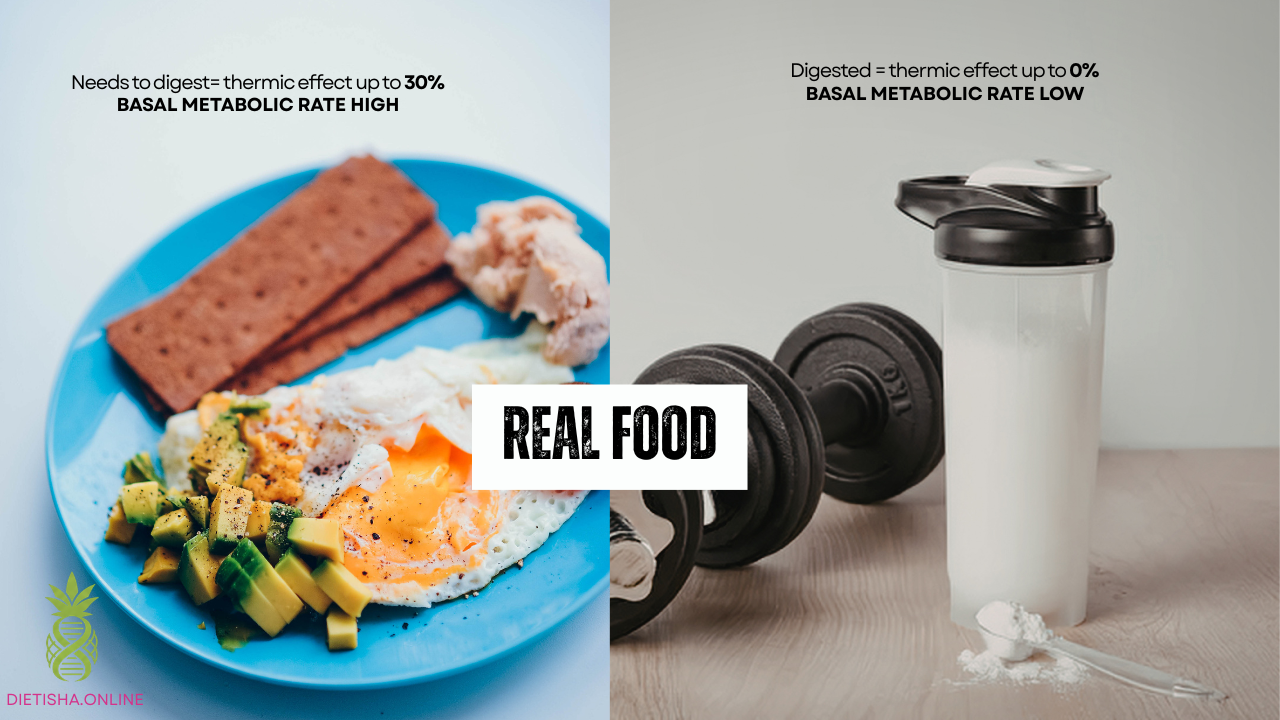
Here’s what often gets ignored: Protein is not just about grams, it is about how the body processes it. Whole protein foods require digestion.
Your body spends energy breaking long protein chains into amino acids. This process increases thermic effect of food (TEF) — meaning digestion itself burns calories. Protein has the highest thermic effect of all macronutrients, often around 20–30% of its calories are used during digestion. That contributes to your basal metabolic rate and energy balance. it also slows absorption, supports satiety, and works with the gut in a way isolated powders often do not.
Real food makes your body work. And that is not a flaw, That is metabolism.
When you rely heavily on rapidly absorbed protein powders, you may be skipping much of that natural digestive workload. Instead of a slower, regulated metabolic process, you may be delivering amino acids and calories much faster. And remember: calories are still calories. If energy is not used, excess can still be stored, even when it came from “healthy” foods like protein.
Protein Powder Can Also Create a False Sense of Nutrition
A scoop of protein may give you 20 or 25 grams of protein on the label — impressive, right? But nutrition is not just about hitting a number.
That scoop may give you isolated amino acids, but whole foods give you much more than protein alone. When you eat eggs, fish, lentils, yogurt, or quality meat, you’re not just consuming protein — you’re getting iron, zinc, B vitamins, healthy fats, choline, enzymes, peptides, and thousands of compounds that work together in ways science is still discovering. That is what makes food… food.
A protein powder can mimic one nutrient. It cannot replicate a biological system and this is where many people get misled, because somewhere along the way, “high protein” became confused with “high nutrition.” They are not the same.
A protein shake can be convenient. But convenience is not always nourishment.
And supplements were never meant to replace the complexity of real food — they were meant to supplement it.
But Aren’t Protein Powders Healthy?
Sometimes, yes. I’m not here to demonize protein powders. I’m here to question whether many people actually need them.
Because for someone already meeting their protein requirements through food, adding extra isolated protein to coffee, smoothies, oatmeal and snacks may not be optimizing health at all — it may simply be overdoing one nutrient while under-prioritizing others, specially FIBER.
And more is not always better in biology, That is a marketing idea.
Some protein powders also come with gums, emulsifiers, artificial flavors, sweeteners and fillers that many people barely look at. People read “30 grams protein” on the front label and stop there. But as a dietitian, I always want people asking: Protein… from what?, With what?, and for what purpose?. Those are very important questions.
Who Might Actually Benefit From Protein Powder?
Now, to be fair, there are cases where protein powders can be practical (sometimes very practical), like: for older adults with reduced appetite, people recovering from illness, or individuals struggling to meet needs through food, supplementation can be useful. And for high-performance athletes, it can even make sense, because at a certain point, food volume becomes a challenge.
Take Michael Phelps as an example, during intense Olympic training, reports estimated he consumed around 8,000 to 10,000 calories per day, Imagine trying to eat that entirely through whole food. If someone needed over 200 grams of protein daily from eggs alone, you could be talking about dozens of eggs EVERY DAY.
That’s where supplementation can serve a purpose, tot because powder is superior to food—but because practicality matters. And that is very different from someone with a desk job adding protein to a matcha because instagram told them to.
The better question is: Do I actually need it? Because if your meals already contain adequate protein, If your body composition goals are progressing, If your recovery is good, If your energy is stable, then the extra scoop may be solving a problem that doesn’t exist, and nutrition trends love creating problems that don’t exist, that is why “nutrition” is always so confusing. But health should not be built around invented deficiencies. It should be built around what your body truly requires.
Food Should Do the Heavy Lifting First
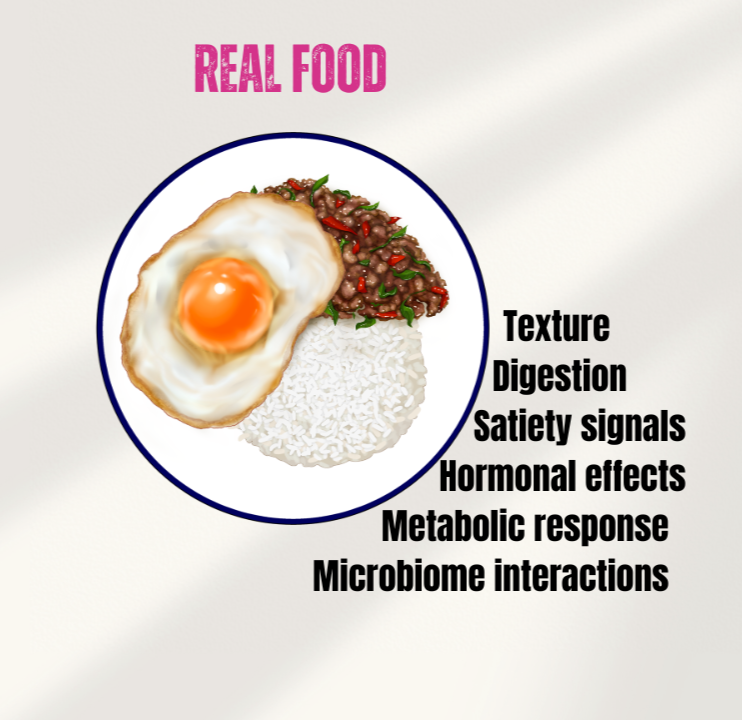
I always tell clients, let food do the heavy lifting. Use supplements only when food cannot reasonably do the job, because food is not just calories, food is information and the body recognizes that information. A shake can deliver nutrients, but food delivers biology.
My Dietitian Take
Nothing in excess is healthy. Even when it looks healthy.
Marketing loves marketing everything as “healthy”.
“healthy” is relative.
What matters is eating what your body needs — not what trends tell you to consume.
Sometimes protein powder has a place. Sometimes it doesn’t.
Wisdom is power.
Want To Know What Your Body Actually Needs?
This is where personalized nutrition changes everything.
At Dietisha, I help people to move beyond nutrition trends and understand what their biology actually needs for muscle health, gut resilience, energy and longevity.
And through epigenetic nutrition insights, we can go even deeper — including how amino acid needs may influence immune function, recovery, hormonal balance and body composition.
Curious what your body actually needs? Let’s find out.
— Dietisha
Science over trends. Always.
