
Is Matcha Good for Weight Loss? What Science Actually Says
If you spend enough time online, matcha starts to sound almost magical for weight loss.
People swear it boosts metabolism, burns fat, and gives “clean energy” without the crash of coffee. But between wellness trends and marketing claims, it becomes hard to know what’s actually true.
The reality is more nuanced.
Matcha is not a miracle drink — but its combination of caffeine, antioxidants, and plant compounds may support metabolic health in ways that go beyond calories alone.
And more importantly, the way you drink matcha matters just as much as matcha itself.
In this article, we’ll break down what science actually says about matcha, metabolism, blood sugar, and weight loss — without the hype.
Does matcha help with weight loss?
Matcha may support weight loss indirectly by helping increase energy expenditure, improving focus, and supporting metabolic function. However, matcha alone does not cause significant fat loss without overall lifestyle and nutrition habits.
Why Matcha Became Popular for Weight Loss
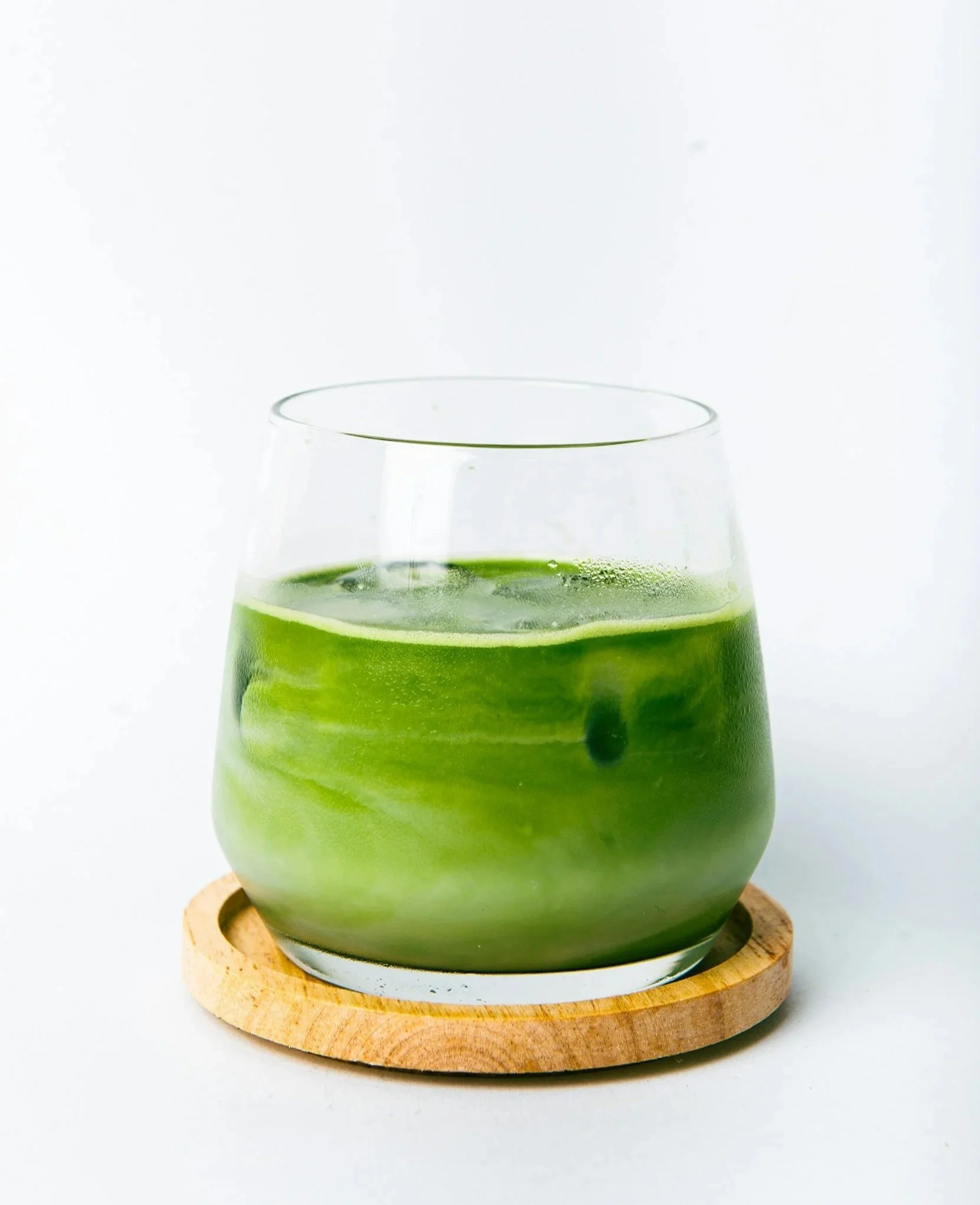
Matcha contains:
caffeine
catechins (especially EGCG)
antioxidants
These compounds have been studied for their potential effects on:
metabolism
fat oxidation
energy expenditure
Unlike regular green tea, matcha uses the entire tea leaf in powdered form, which creates a more concentrated source of these compounds.
But the internet often exaggerates these effects.
Most studies show small supportive benefits — not dramatic weight loss transformations.
How Matcha May Support Metabolic Health
This is where matcha becomes more interesting.
The biggest benefit may not be “fat burning,” but rather how matcha can support:
stable energy
focus
exercise performance
reduced reliance on sugary drinks
For some people, replacing high-sugar coffee drinks with unsweetened matcha can help reduce blood sugar spikes and excess calorie intake over time.
This connects directly to broader metabolic health patterns.
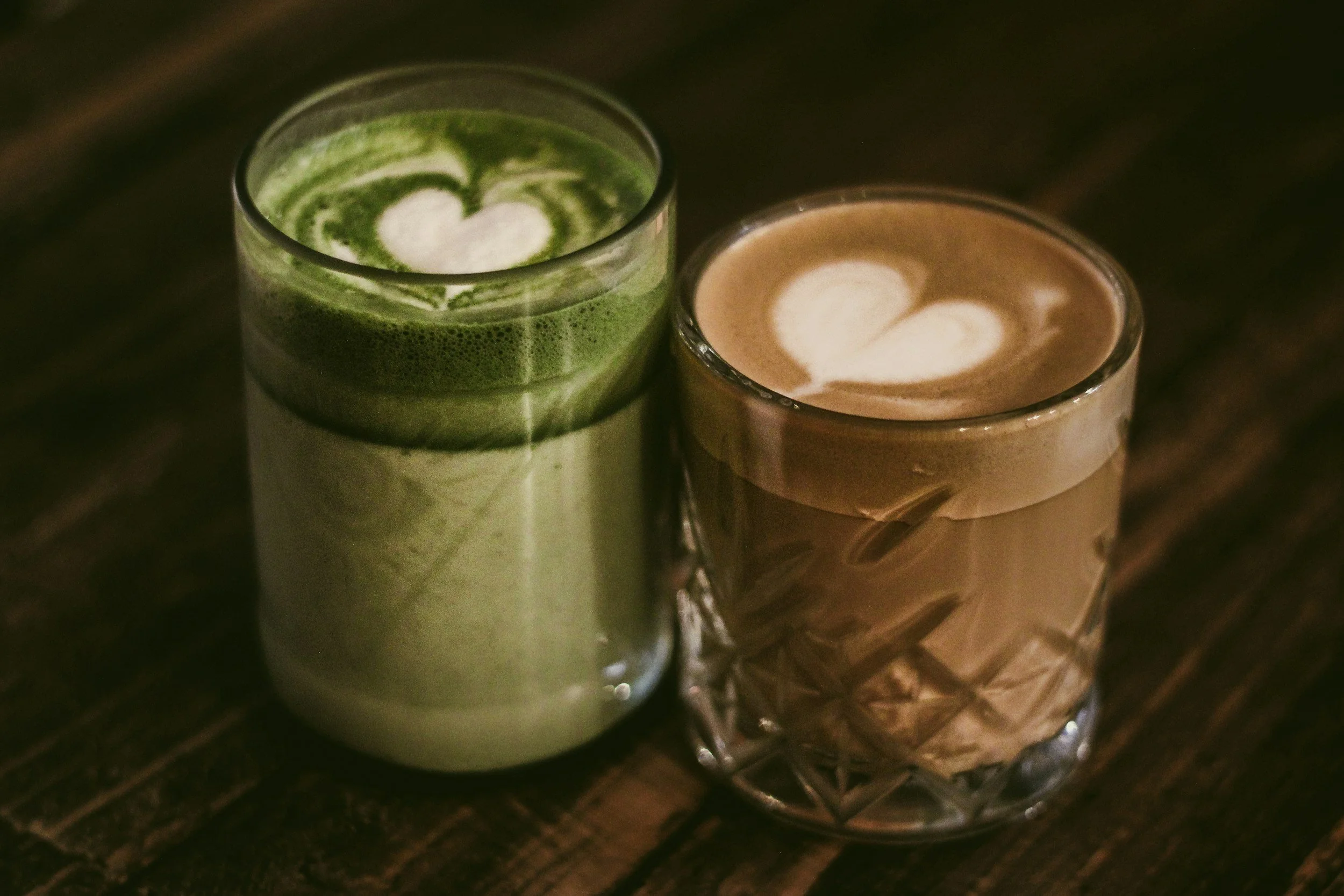
Is Matcha bettre than coffee for weight loss?
Matcha and coffee both contain caffeine, but matcha also provides antioxidants called catechins. Some people experience more stable energy and fewer crashes with matcha, which may indirectly support healthier eating patterns and metabolic balance.
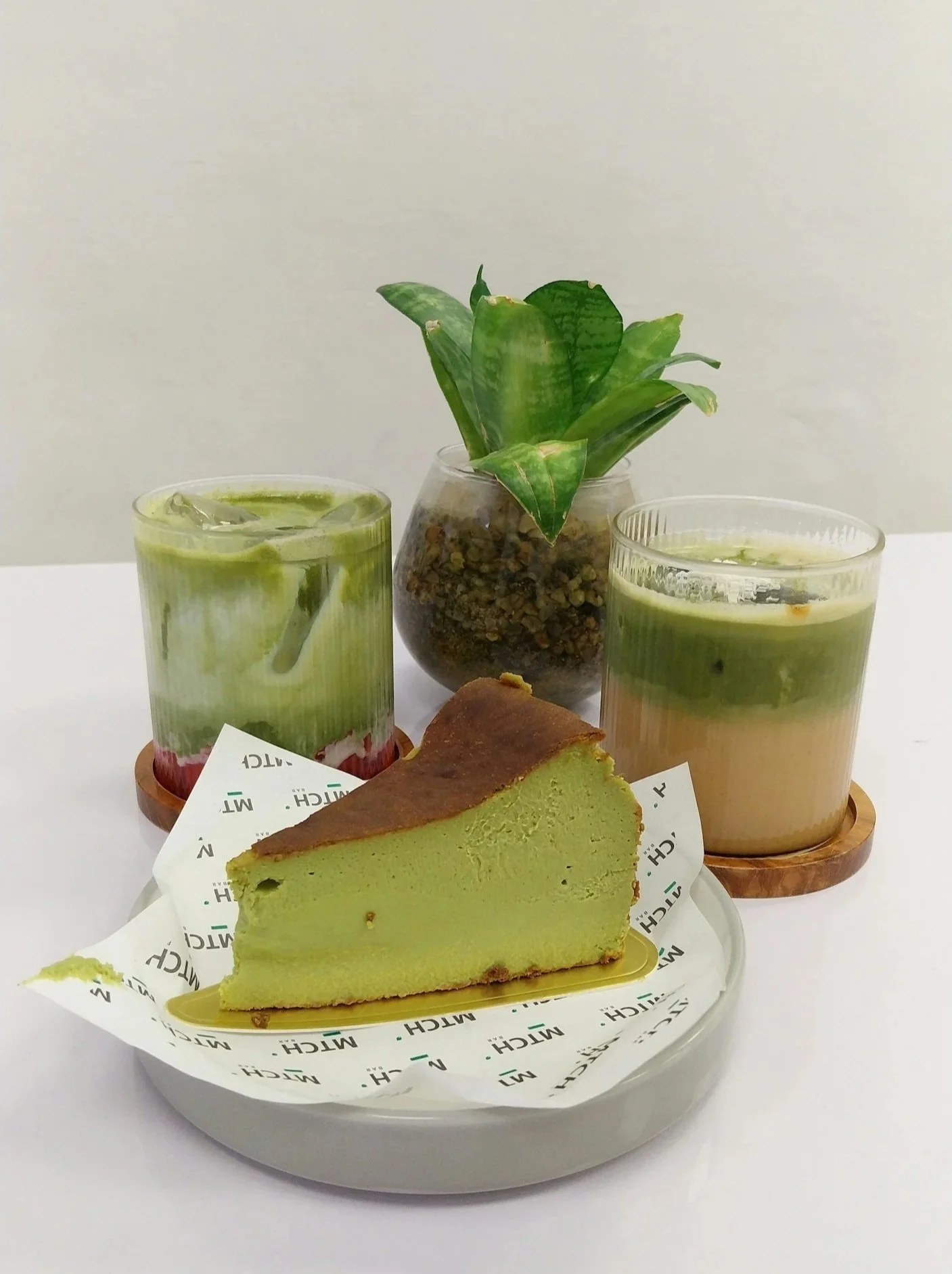
The Problem With Most Matcha Drinks
Not all matcha drinks are metabolically supportive.
Many café-style matcha drinks contain: added sugars, syrups, sweetened oat milk, whipped toppings.
In these cases, the drink may contain more sugar than the matcha itself benefits.
This is especially important when discussing insulin sensitivity and energy regulation.
Can Matcha Affect Blood Sugar and Energy?
Some research suggests green tea compounds may help support insulin sensitivity and reduce oxidative stress, but individual responses vary. Some people feel: calm, focused energy, fewer cravings, less afternoon fatigue. Others may feel: jittery, anxious, hungry later if consumed without food. Your overall nutrition pattern matters more than one “superfood.”
Is matcha healthy every day?
For most healthy adults, moderate unsweetened matcha can be part of a balanced diet. The healthiest approach is to avoid highly sweetened matcha drinks and focus on overall metabolic health habits rather than relying on one ingredient.
Matcha, Stress, and Cortisol
One overlooked part of weight loss is stress biology. Chronic stress and poor sleep can affect hunger hormones like ghrelin and leptin, increasing cravings, disrupting energy regulation, and ultimately influencing fat storage patterns.
Matcha contains both caffeine and L-theanine, an amino acid associated with calm focus. Some people find this combination gentler than coffee. This may indirectly support better energy regulation throughout the day.
👉Explore how stress affects metabolism and energy regulation through epigenetics.
The Bottom Line
Matcha is not a magic solution for weight loss.
But when used as part of a balanced lifestyle, it may support:
energy
focus
metabolic health
healthier daily habits
The key is understanding the bigger picture:
blood sugar balance
stress
sleep
overall nutrition quality
Long-term health is rarely about one ingredient — it’s about the biological patterns created by daily choices.
