
What to eat for Metabolic Health | Understanding the Root Cause of Energy, Weight & Chronic Disease

In the United States, chronic disease has become the norm rather than the exception.
According to the CDC, more than 75% of American adults live with at least one chronic condition, including obesity, type 2 diabetes, cardiovascular disease, hypertension, or cancer.
At the same time, lifetime cancer risk remains extraordinarily high. According to the American Cancer Society, approximately 1 in 2 men and 1 in 3 women in the United States will develop cancer during their lifetime.
This raises an important question: What is causing this?
What is metabolic health?
Metabolic health refers to how efficiently your body produces and uses energy. It includes blood sugar regulation, insulin sensitivity, cholesterol balance, blood pressure, and the body’s ability to maintain stable energy levels without chronic inflammation or disease risk.
UNDERSTANDING THE ROOT CAUSE
Modern health conversations often focus on symptoms: high blood sugar, excess weight, fatigue, inflammation, hormonal imbalance, etc. But symptoms are not the root problem, they are signals that something deeper inside the body is no longer functioning optimally, something at the celular level.
Every organ, tissue, hormone, and metabolic process in the human body depends on the ability of cells to produce energy, communicate properly, respond to nutrients, regulate inflammation, repair damage efficiently. When cellular function becomes disrupted over time, symptoms begin to appear.
METABOLIC DYSFUNCTION STARTS LONG BEFORE DISEASE

Take type 2 diabetes as an example
Blood sugar elevation is often treated as the main problem, but metabolic dysfunction usually develops years before diagnosis.
Research shows that insulin resistance, chronic inflammation, excess visceral fat, poor nutrition, sleep disruption, and sedentary lifestyle patterns all contribute to impaired metabolic signaling.
Medication can help manage blood sugar levels, and in many cases it is necessary. But improving long-term metabolic health also requires addressing the underlying lifestyle and environmental factors contributing to dysfunction.
This is why sustainable nutrition, movement, sleep, stress regulation, and body composition matter.
What causes poor metabolic health?
Poor metabolic health is mainly driven by chronic inflammation, insulin resistance, poor diet quality, sedentary lifestyle, sleep disruption, and environmental stressors that impair how cells use energy and regulate hormones.
YOUR BODY IS CONSTANTLY REBUILDING ITSELF
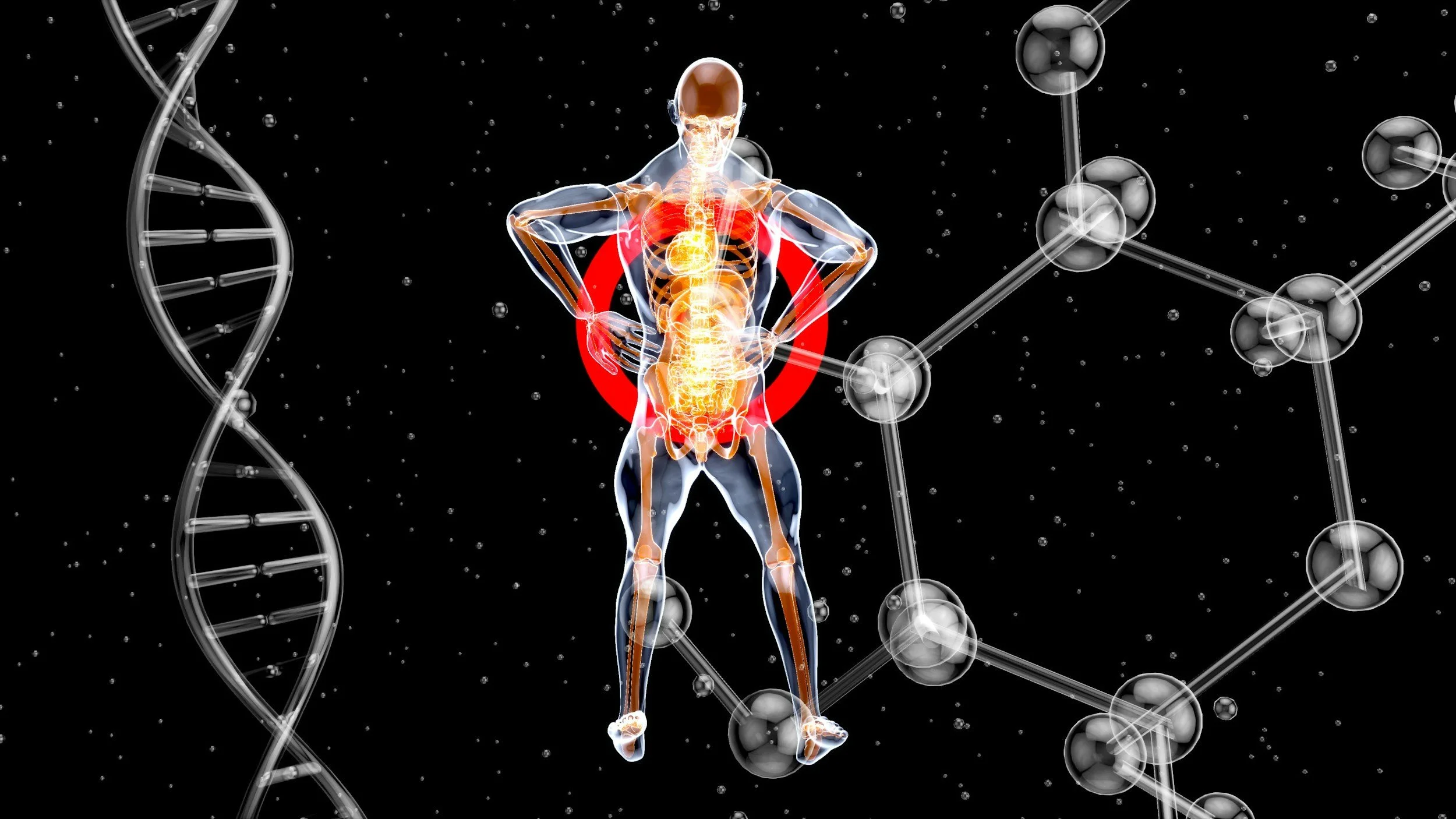
The human body is far more dynamic than most people realize. Cells are constantly repairing, adapting, and renewing themselves. DNA is not a fixed destiny. Modern epigenetics shows that lifestyle, nutrition, environment, sleep, stress, and physical activity can influence how genes are expressed over time.
This does NOT mean genes are irrelevant, It means biology is interactive, not predetermined.
Humans have approximately 20,000 genes, yet gene expression can change dramatically depending on environmental inputs and lifestyle behaviors. This is one of the foundational ideas behind epigenetics.
THE IMPORTANCE OF THE CELL MEMBRANE
One of the most important structures in the body is the cell membrane. The membrane regulates communication between the inside of the cell and the external environment. Nutrients, hormones, oxygen, and signaling molecules all depend on healthy membrane function.
Some researchers, including cell biologist Bruce Lipton, helped popularize the idea that cellular environment strongly influences biological behavior. His work contributed to broader public interest in epigenetics and cellular signaling, although some of his interpretations remain debated within mainstream science.
What is well established scientifically is that chronic inflammation, oxidative stress, poor nutrition, smoking, sleep deprivation, environmental toxins, and sedentary behavior can impair cellular function and metabolic regulation over time.

When cells struggle to regulate energy and communication efficiently, symptoms can begin to appear:
fatigue
brain fog
unstable energy
increased hunger
poor recovery
metabolic dysfunction
Over time, these disturbances may increase risk for chronic disease.
WE DON’T GET HEALTHY BY LOSING WEIGHT
One of the biggest misconceptions in modern nutrition is the belief that: “You need to lose weight to become healthy.” In reality, the opposite is often closer to the truth.
When metabolic health improves inflammation decreases, insulin sensitivity improves, energy production becomes more efficient, hunger regulation stabilizes, the body often begins regulating weight more effectively. Weight is frequently a symptom of deeper metabolic dysfunction, not the root cause.
SO WHAT DAMAGE METABOLIC HEALTH?
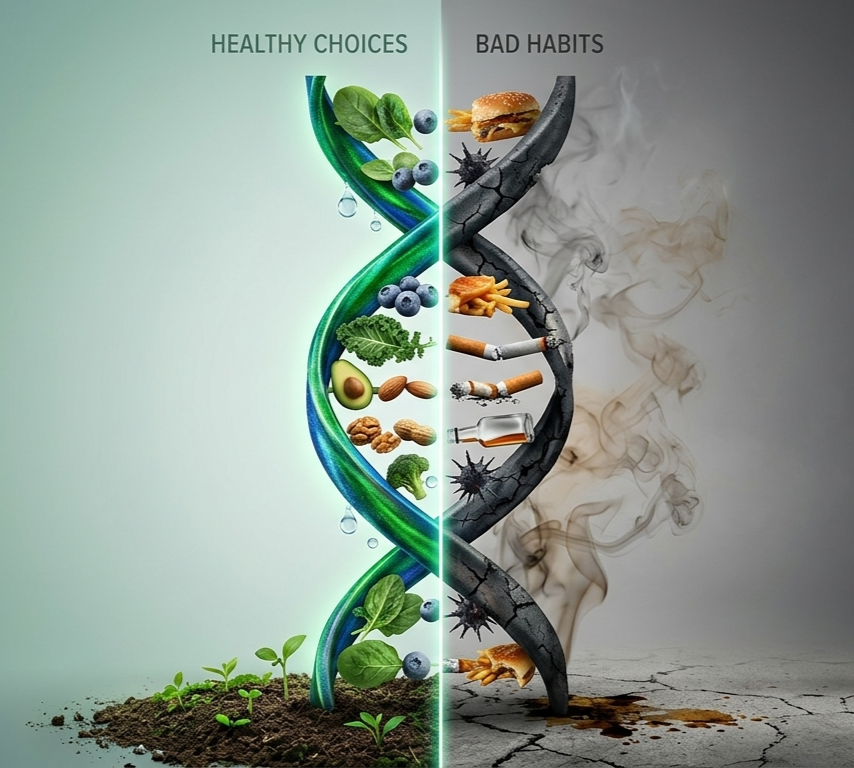
One major contributor is chronic inflammation and oxidative stress. Free radicals are unstable molecules naturally produced during metabolism, but excessive exposure from ultra-processed foods, smoking, chronic stress, poor sleep, environmental pollution, sedentary behavior, etc. can increase oxidative stress inside the body.
Nutrition plays a major role in protecting cellular health, this is why metabolic nutrition focuses on:
fiber-rich foods
antioxidant-rich plants
omega-3 fats
stable blood sugar regulation
protein quality
reducing excessive ultra-processed food intake
What to eat for metabolic health?
A metabolic health-supportive diet includes whole, minimally processed foods that stabilize blood sugar, reduce inflammation, and support cellular energy production.
Fiber-rich vegetables and fruits
High-quality protein (fish, eggs, legumes, lean meats)
Healthy fats (olive oil, avocado, nuts, seeds)
Complex carbohydrates (whole grains, legumes)
Antioxidant-rich foods (berries, green tea, spices)
It also reduces ultra-processed foods, refined sugars, and industrial seed oils that can disrupt metabolic balance.
Final Thoughts
Metabolic health is not built through restriction, punishment, or chasing quick fixes. It is built by supporting the body at its foundation: stable blood sugar, cellular energy production, healthy inflammation response, nutrient quality, movement, recovery, lifestyle balance.
Your body is constantly adapting to the signals you give it every day. Food is one of those signals. The goal is not perfection, the goal is creating an internal environment where the body can function efficiently again. Because when metabolic function improves, energy improves, hunger regulation improves, inflammation decreases and long-term health outcomes begin to change.
Health is not about fighting your body.
It is about understanding how to support it.
Continue Learning
If you want to better understand the science behind metabolic health and cellular function, start here:
👉 What is Metabolic Health
Learn how metabolism influences energy, hormones, inflammation, and disease risk.
👉 What is Epigenetics
Understand how lifestyle and environment influence gene expression and long-term health.
