
Why Your Vitamin D Supplement Might Be a Waste of Money This Toronto Winter
By Tisha Ocadiz | Registered Dietitian & Nutrition Expert
It’s mid-January in Toronto. The "concrete gray" sky has settled in, the wind chill on Bay Street is biting, and almost every client walking into my clinic is clutching a bottle of Vitamin D.
As a dietitian, I see this "winter ritual" every year. Torontonians are smart—we know that from October to April, the sun’s UVB rays aren't strong enough for our skin to produce the "sunshine vitamin." We know we need it for immune support, bone health, and to fight off the SAD (Seasonal Affective Disorder) that hits when the sun sets at 5:00 PM.
But here is the question I ask my clients that usually stops them in their tracks:
"If you aren't absorbing the nutrients from your food, why do you think your body will absorb a synthetic pill?"
The Hero’s Truth: Vitamin D is Not a "Plug-and-Play" Nutrient
Most people treat Vitamin D like a gas tank—you just pour more in when it’s low. But biology is more like a complex ecosystem.
Vitamin D is fat-soluble, meaning if you’re taking it on an empty stomach or with a low-fat "office lunch," you’re likely just creating expensive waste. Furthermore, your body requires magnesium and a healthy gut microbiome to actually convert that supplement into its active form. Without the right "delivery team" of nutrients, that pill is effectively useless.
Where Should You Get Your Vitamin D First?

Before reaching for the bottle, we must look at functional nutrition. In Toronto, we are seeing a massive trend toward longevity-focused eating and "fibermaxxing" for gut health. A resilient body starts with these whole-food sources:
Fatty Fish: Wild-caught salmon, mackerel, and sardines (perfect for those omega-3s).
Egg Yolks: The "gold mine" of nutrients—specifically from pasture-raised eggs.
Fortified Options: Quality grass-fed dairy or plant-based milks.
Mushrooms: Specifically those exposed to UV light.
The Big Mistake: Supplementing Without a Strategy
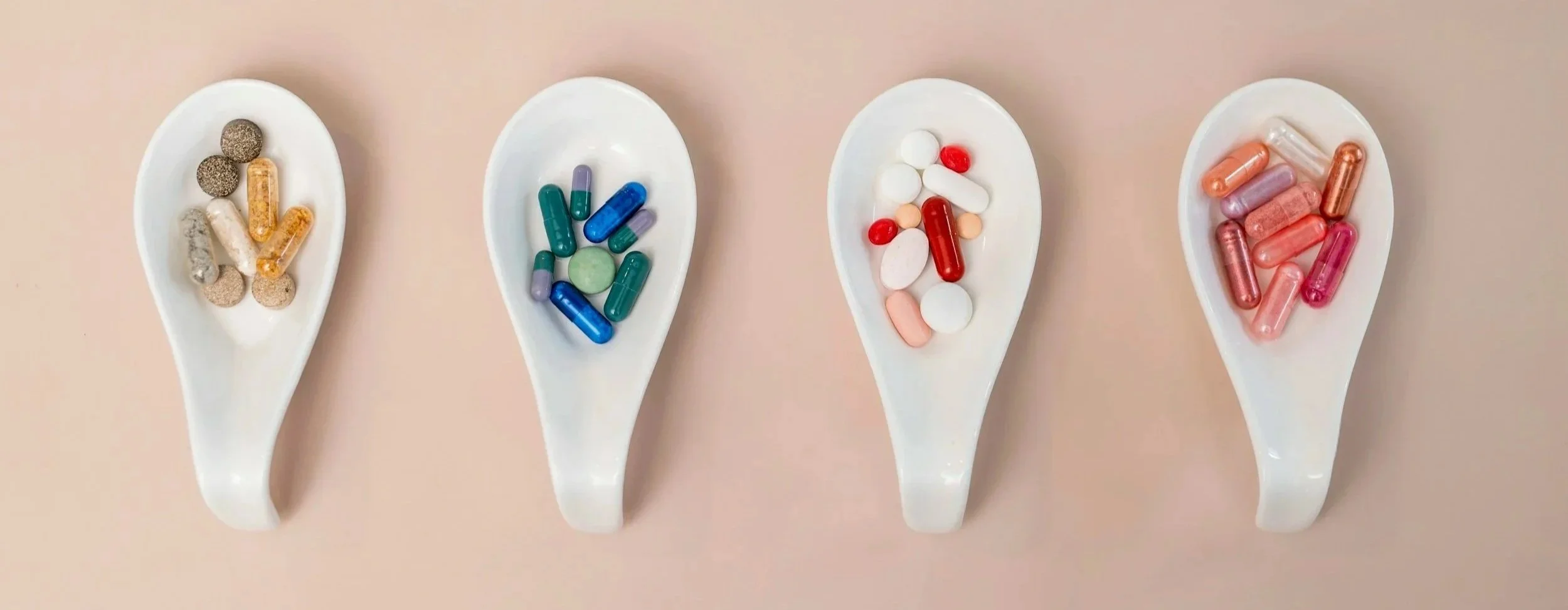
The most common error I see in Toronto’s wellness scene is blind supplementation. Taking high doses of Vitamin D without a prior diagnosis of deficiency is a mistake. Why? Because "more" is not always "better." Excess Vitamin D without proper Vitamin K2 can actually lead to calcium being deposited in your arteries instead of your bones.
Taking vitamins without correcting your dietary habits and gut absorption is simply a waste of money. If your internal "terrain" is inflamed or your gut barrier is compromised (what some call leaky gut), your expensive supplements are just passing through.
Stop Guessing. Start Measuring.
In 2026, the era of "one-size-fits-all" nutrition is over. We are moving into the age of precision health.
If you want to know why you’re still tired despite taking your vitamins, or why your mood isn't lifting despite the Vitamin D, you need to look at your epigenetics. Your DNA doesn't change, but your gene expression does—influenced by the Toronto air, your stress levels, and your unique digestive capacity.
Your Path to Winter Resilience
Knowing exactly what your body needs is the ultimate "life hack." Instead of wandering the supplement aisle at the pharmacy, let's get a clear map of your internal health.
My recommendation? A comprehensive Epigenetic Report paired with a professional consultation. We will look past the marketing hype and see exactly how your body processes nutrients, where your true deficiencies lie, and how to optimize your absorption so that every bite (and every supplement) actually counts.
[Click here to book your Epigenetic Consultation] — Let’s make this the last winter you spend guessing about your health.
