
New Front-of-Package Nutrition Labels in Canada: How to Shop Smarter in 2026, Dietitian Guide
It’s a brand-new year, and as you walk through the supermarket aisles for your weekly grocery run, have you noticed something different on the shelves?
Across Canada, a new "magnifying glass" symbol has officially landed on the front of many food packages. As of January 1, 2026, this symbol is mandatory for most prepackaged foods high in sodium, sugars, or saturated fat. While this might feel like a sudden change, it’s actually part of a massive global movement to fix how we see our food—and as a dietitian originally from Mexico, I’ve seen firsthand how powerful these labels can be.
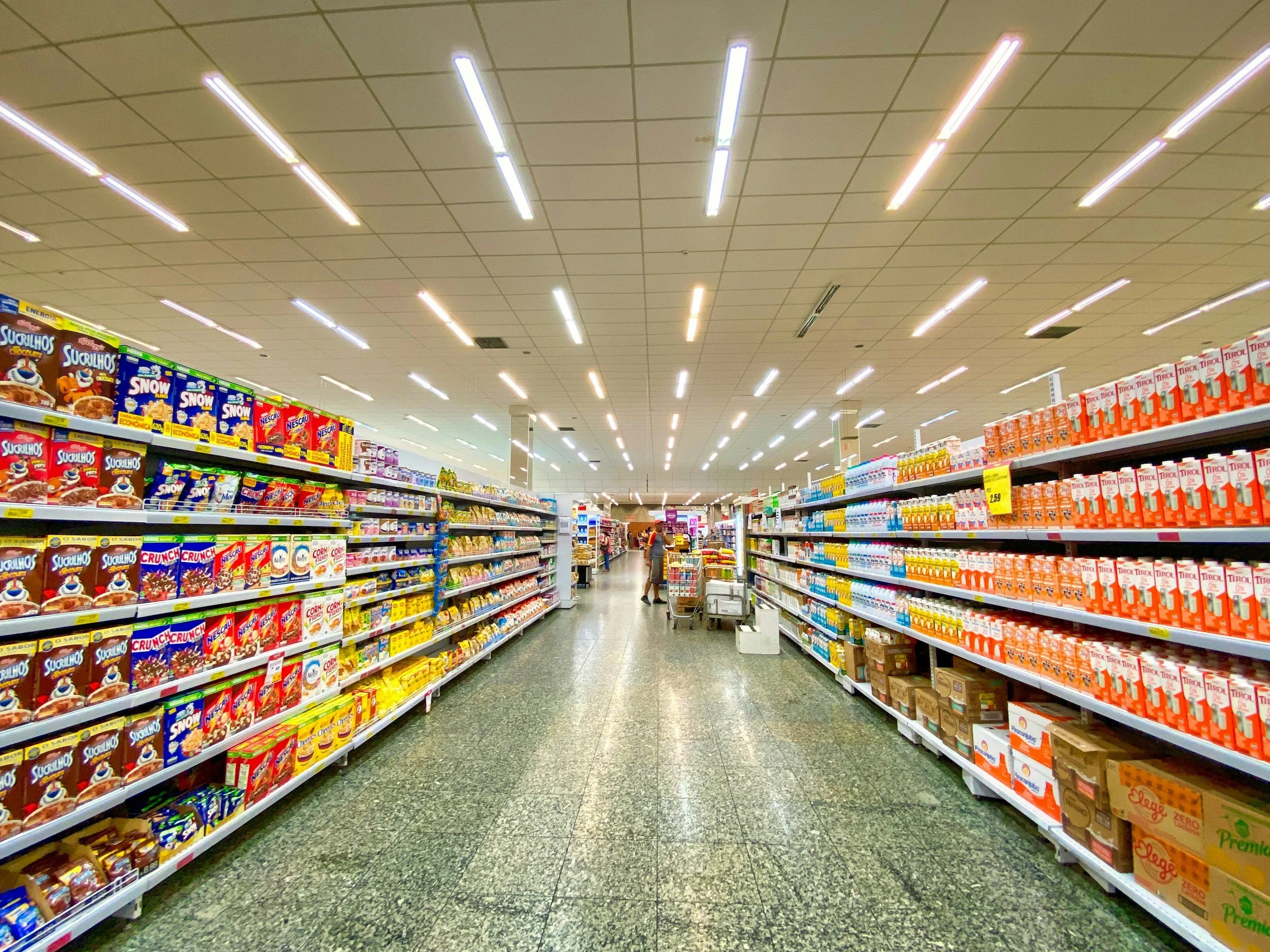
A Lesson from Latin America.
Canada isn't the first to do this; in fact, we are following a path blazed by Latin American (LATAM) countries that fought hard for food transparency.
In Peru, the journey began with the "Healthy Eating Law" in 2013, leading to the implementation of octagonal warning labels in 2019. In Mexico, where I practiced before coming to Canada, the situation was urgent. We held the heartbreaking titles of #1 in childhood obesity and #2 in adult obesity globally. For years, "fake packaging"—products marketed as healthy while loaded with hidden additives—contributed to a massive rise in processed food consumption.
To fight back, Mexico implemented its iconic black octagon warning labels in October 2020. These labels stripped away the "magic" of cartoon characters and misleading health claims, forcing transparency about high levels of calories, sugar, and fats.
Why Canada's 2026 Move is a "Win" for You
While the US guidelines have recently faced criticism for being somewhat unclear—sometimes suggesting "unlimited" categories that can confuse everyday shoppers—Canada has taken a firm stand. By adopting this magnifying glass symbol, Health Canada is empowering you to make informed decisions in under three seconds.
Whether it’s a "healthy" granola bar that’s secretly high in sugar or a "natural" soup that’s off the charts in sodium, you no longer have to be a detective to find the truth.
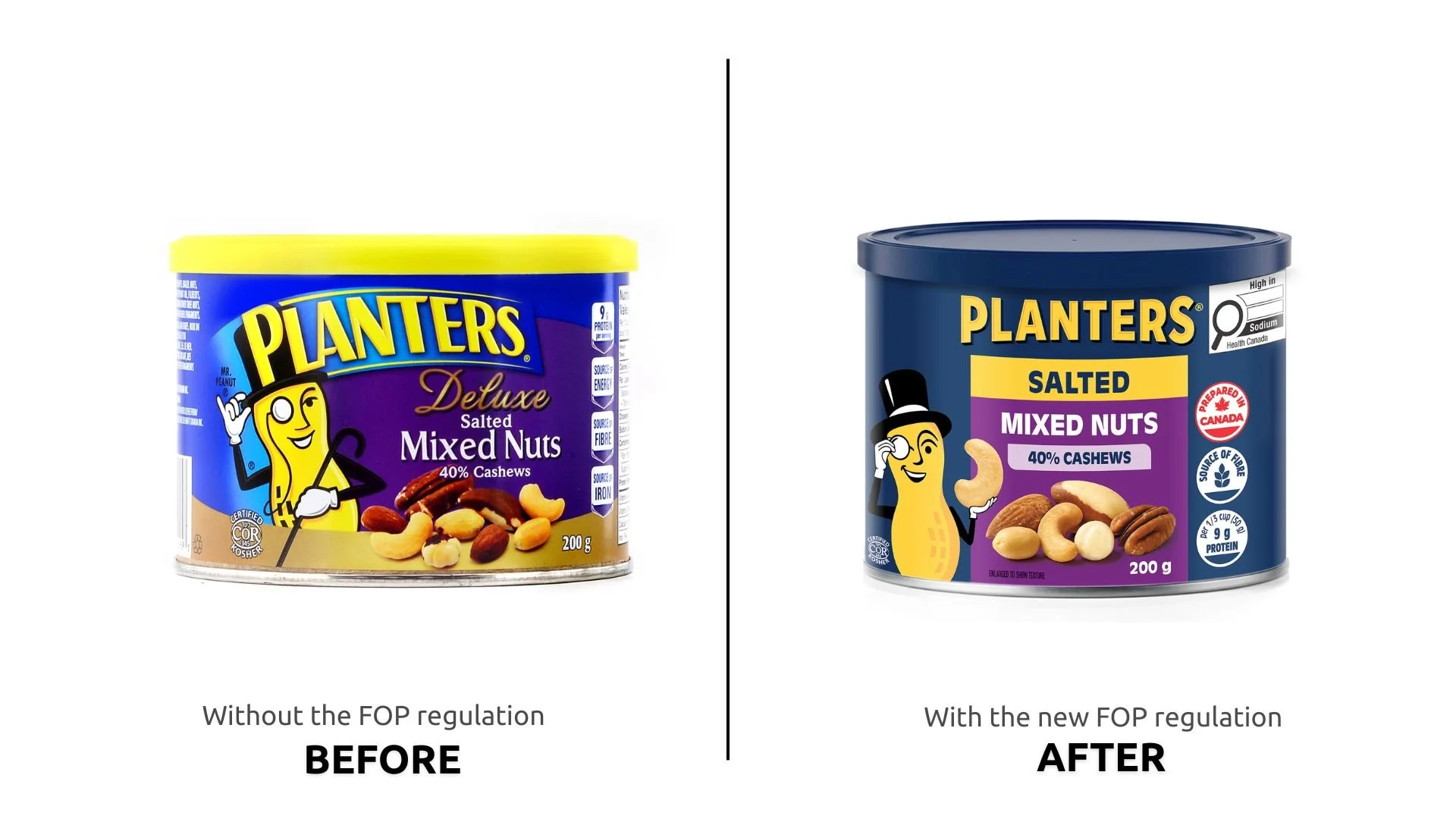
But why should you avoid these nutrients?
Nutrients are substances that normally nourish your body and support health. However, when certain nutrients—like sodium, added sugars, and saturated fats—are consumed in excess, they no longer support your body and instead increase the risk of chronic disease. That’s why Health Canada highlights them on Front-of-Package (FOP) labels.
Here’s why they matter:
Sodium
Too much sodium increases blood pressure, which raises the risk of heart disease, stroke, and kidney disease. In Canada, most sodium comes from packaged and processed foods, not the salt shaker.
Recommendation: Health Canada advises adults to limit sodium intake to no more than 2,300 mg per day, and ideally closer to 1,500 mg.Added sugars
Diets high in added sugars are linked to weight gain, type 2 diabetes, heart disease, and dental cavities. Sugary snacks and drinks can cause rapid blood sugar spikes without providing lasting energy or nutrients.
Recommendation: Canadians are encouraged to limit foods and beverages with added sugars and choose water and naturally sweet foods like fruits more often.Saturated fats
High intake of saturated fats can raise LDL (“bad”) cholesterol, increasing the risk of cardiovascular disease. These fats are commonly found in processed snacks, baked goods, and fatty cuts of meat.
Recommendation: Health Canada recommends reducing saturated fat intake and replacing it with unsaturated fats from foods like nuts, seeds, fish, and plant oils.
Beyond the Label: Your Positive Health Journey
As a dietitian, I fully support this move because it brings the focus back to empowerment, not restriction. These labels are your "grocery store GPS," helping you navigate away from ultra-processed traps and toward real nourishment.
However, remember that a label is just one piece of the puzzle. For true, long-term vitality, the "gold standard" remains:
Individualized Nutrition: Your body is unique. What works for your neighbor might not work for your metabolism, activity level, or cultural preferences.
Less Processed is Best: The more a food looks like it did in nature (whole grains, fresh produce, lean proteins), the more your body knows how to use it. Whole foods provide the fiber, micronutrients, and satiety that processed versions simply can't replicate.
Ready to take the next step?
If you're feeling overwhelmed by all the new symbols or want to know how to build a meal plan that works for yourspecific body and goals, I’m here to help!
Book a discovery call today to move past the "High In" warnings and start building a diet that makes you feel energized, balanced, and truly healthy from the inside out. Let’s turn those grocery store insights into a lifestyle you actually love!
