
Why Is It So Hard to Quit Sugar? Understanding Metabolic Flexibility

If quitting sugar feels impossible, you're not alone.
Many people decide to reduce sugar and expect to feel better immediately. Instead, they find themselves craving sweets, feeling tired, irritable, or constantly thinking about their next snack.
This often leads to a frustrating conclusion: "Maybe I just don't have enough willpower. But what if the problem isn't your discipline? What if your body is simply doing what it has been trained to do?
The truth is that our metabolism adapts to our habits. If your body has become used to relying on sugar as its primary source of energy, reducing it can feel uncomfortable at first. That doesn't mean you're failing. It means your body is adjusting.
Why is it so hard to quit sugar?
Quitting sugar can feel difficult because the body adapts to the foods it receives regularly. When sugar and refined carbohydrates are consumed frequently, the body becomes more dependent on glucose for energy. Reducing sugar intake may temporarily increase cravings, hunger, and fatigue while the body adjusts.
Your Body Learns From What You Eat Most Often
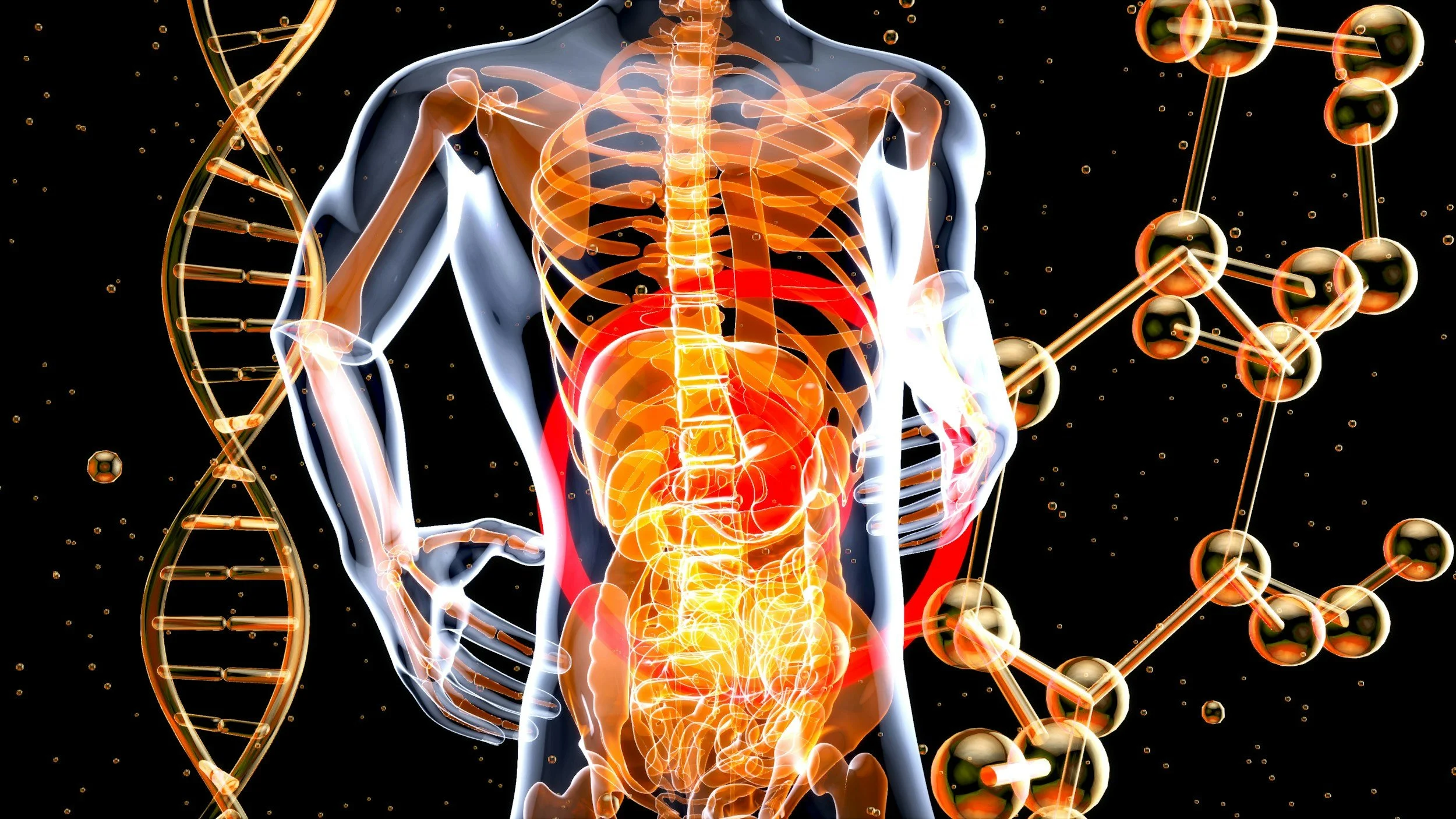
Think of your metabolism like a hybrid car. A healthy metabolism can switch between different fuel sources depending on what's available. It can use carbohydrates when you eat them and tap into stored fat when carbohydrates are less available. This ability is known as metabolic flexibility.
What is metabolic flexibility?
Metabolic flexibility is the body's ability to switch efficiently between different fuel sources, including carbohydrates and stored fat. A metabolically flexible person can maintain more stable energy levels and adapt more easily to changes in meal timing and food intake.
Over time, it may become less efficient at accessing stored fat for fuel. As a result, even a few hours without sugar can feel challenging.
Why Sugar Cravings Can Feel So Intense

When your body is accustomed to frequent spikes in blood sugar, it begins to expect them.
When those spikes disappear, you may experience:
Increased cravings
Low energy
Difficulty concentrating
Irritability
Strong hunger between meals
Many people interpret these symptoms as signs that their body "needs sugar."
In reality, it may simply be a sign that their metabolism has become dependent on a constant supply of quick energy.
The good news?
Metabolism is adaptable.
Just as your body learned to rely on sugar, it can learn to become more flexible.
The Other Side of the Coin
Most people understand what happens when someone who eats a lot of sugar tries to stop. But let's look at the reverse situation.
Have you ever eaten mostly whole foods for several weeks and then spent an entire weekend eating ultra-processed foods?
Many people notice they feel:
Bloated
Sluggish
More tired than usual
Less mentally sharp
Hungrier despite eating more
Why?
Because the body adapts to healthy habits too.
Just as a metabolism can become accustomed to constant sugar, it can also become accustomed to balanced meals, stable blood sugar, and nutrient-dense foods.
The body responds to what it repeatedly experiences.
How long does it take to stop craving sugar?
The timeline varies from person to person. Some people notice improvements within a few days, while others may take several weeks. Factors such as sleep, stress, physical activity, meal composition, and overall diet quality can influence how quickly cravings decrease.
What Is Metabolic Flexibility and Why Does It Matter?

Metabolic flexibility is one of the most overlooked aspects of long-term health. A metabolically flexible body is generally better able to:
Maintain stable energy throughout the day
Manage hunger and cravings
Support healthy blood sugar regulation
Adapt to changes in meal timing
Use stored fat more efficiently
This doesn't mean carbohydrates are bad, in fact, carbohydrates are an important source of energy. The goal is not to eliminate carbs or avoid sugar forever, the goal is to build a metabolism that can comfortably use different fuel sources when needed.
How to Reduce Sugar Without Feeling Miserable
One of the biggest mistakes people make is trying to go from eating sugar throughout the day to eliminating it overnight. Instead, focus on gradually creating an environment that supports metabolic flexibility.
What foods help reduce sugar cravings?
Protein-rich foods, high-fiber foods, healthy fats, and balanced meals can help reduce sugar cravings. Examples include eggs, Greek yogurt, fish, legumes, vegetables, fruits, nuts, seeds, and whole grains.

1. Start Your Day With Protein: A protein-rich breakfast can help stabilize blood sugar levels and reduce cravings later in the day.
Examples include:
Greek yogurt with berries
Eggs with vegetables
Cottage cheese with fruit
Protein smoothies
2. Add Fiber to Every Meal: Fiber slows digestion and helps promote a more gradual release of glucose into the bloodstream.
Good sources include:
Vegetables
Fruits
Legumes
Whole grains
Nuts and seeds
3. Reduce Sugary Drinks First: Liquid sugar is often one of the easiest places to start. Replacing soda, sweetened coffee drinks, energy drinks, or juices with water, sparkling water, or unsweetened beverages can significantly reduce sugar intake.
4. Build Balanced Meals: Meals that combine protein, fiber, and healthy fats tend to be more satisfying and can help reduce the desire for quick sugary snacks.
5. Focus on Progress, Not Perfection: Metabolic flexibility is built through consistent habits, not extreme diets. Small changes repeated over time are far more effective than short periods of restriction.
Can reducing sugar help with weight loss?
Reducing added sugars may support weight management by helping stabilize blood sugar levels, reducing excess calorie intake, and improving appetite regulation. However, sustainable weight loss is influenced by many factors, including overall dietary patterns, physical activity, sleep, and stress management.
The Bottom Line
If reducing sugar feels difficult, it doesn't mean you're weak or lacking discipline.
It may simply mean your body has become accustomed to using sugar as its primary fuel source.
The encouraging news is that metabolism is adaptable.
With consistent habits, balanced nutrition, and time, your body can become more metabolically flexible—making it easier to manage cravings, maintain energy, and support long-term health.
Your body learns from what you repeatedly do.
The question is: what are you teaching it today?
Beyond Sugar Cravings
Sugar cravings are often a symptom of deeper metabolic patterns—not simply a lack of willpower.
Understanding how your body responds to food can help you make more informed decisions about your health. Want to explore how your genes may influence nutrient metabolism, inflammation, antioxidant needs, and other factors related to long-term health?
